

What “AC Circuit Breaker Keeps Tripping” Actually Means for Birmingham Homeowners
AC circuit breaker keeps tripping — what it means, in plain terms, is that your home’s electrical system is detecting more current than the circuit can safely handle, and it’s shutting things down to protect you.
Here’s a quick answer if you need it right now:
| Cause | What’s Happening |
|---|---|
| Dirty air filter | Blower motor works harder, draws excess current |
| Dirty condenser coils | System overheats, runs longer, pulls more power |
| Failing capacitor | Compressor can’t start smoothly, surges the circuit |
| Hard-starting compressor | Aging unit draws 3-5x normal startup amps |
| Loose or damaged wiring | Short circuit or ground fault triggers immediate trip |
| Weak or worn breaker | Breaker itself trips too easily under normal load |
If your AC breaker has tripped more than once, that’s not a coincidence. It’s a warning.
Birmingham summers push air conditioning systems hard. When temperatures climb into the 90s, your AC runs nearly non-stop — and that constant demand puts real stress on every electrical and mechanical component in the system. A breaker that trips once might be a fluke. A breaker that keeps tripping is your home telling you something is wrong.
The good news is that some causes are simple. A clogged air filter, a dirty outdoor unit, or a little debris around the condenser can be enough to push the system over its electrical limit. Other causes — like a failing compressor, shorted motor windings, or loose wiring — need a professional’s hands.
This guide walks you through what’s actually happening inside your system, what you can safely check yourself, and when it’s time to stop resetting that breaker and call for help.

Key ac circuit breaker keeps tripping what it means vocabulary:
AC Circuit Breaker Keeps Tripping: What It Means
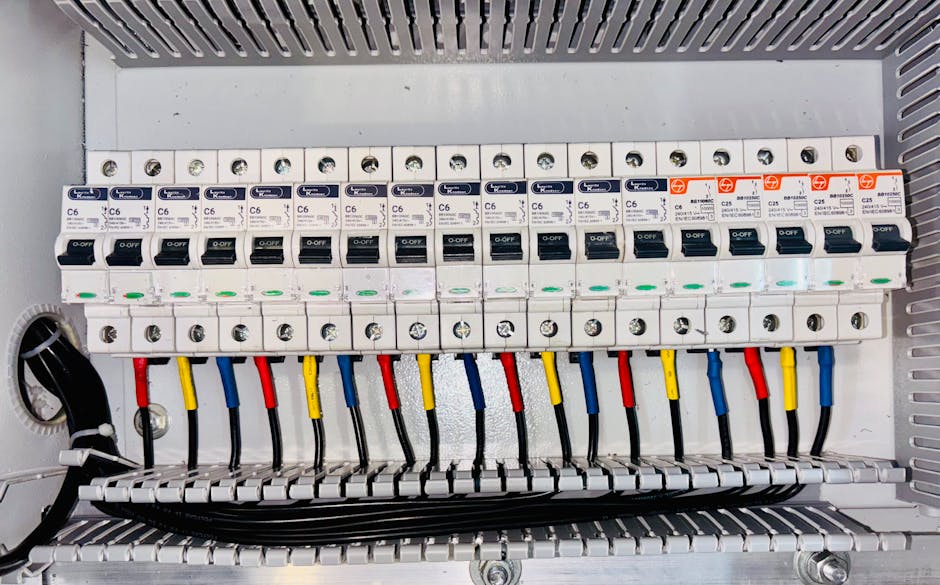
At its core, a circuit breaker is a safety switch. Most central air conditioning systems in Alabama require a 240V double-pole breaker. This dedicated circuit is designed to handle a specific amount of electrical current (amperage). When the flow of electricity exceeds what the breaker is rated for, the internal mechanism “trips,” physically breaking the connection and stopping the flow of power.
This happens for three main reasons:
- Overload: The system is drawing more power than the circuit can handle. This is common during startup, as a compressor can demand three to five times its running amperage just to get moving.
- Short Circuit: A “hot” wire touches another “hot” wire or a “neutral” wire, causing a massive, sudden spike in current.
- Ground Fault: A “hot” wire touches a grounded part of the system, such as the metal casing of the unit.
What ac circuit breaker keeps tripping what it means for your system
When your breaker trips, it’s often a sign of mechanical strain. As components age or become dirty, they require more energy to perform the same amount of work. For example, a worn-out motor has more internal friction, which forces it to pull extra amps from your electrical panel. If the breaker didn’t trip, that extra energy would turn into heat, potentially melting wire insulation or starting an electrical fire.
Why the breaker is a warning sign, not the root problem
It is tempting to view the breaker as the “broken” part, but it is actually the messenger. Think of it like a smoke alarm; the alarm isn’t the problem, the smoke is. Repeatedly resetting a breaker without fixing the underlying issue is dangerous. It forces the system to endure repeated surges of high heat and current, which can lead to permanent equipment damage. To understand how these components interact, you can read more in our guide on how your air conditioner works explained simply.
The Most Common Reasons an AC Breaker Trips
While there are many technical reasons for a trip, most cases we see in the Greater Birmingham area fall into a few specific categories. From simple maintenance oversights to serious mechanical failures, here is why your system is struggling.
Airflow problems: dirty filters, blocked vents, and dirty condenser coils
Airflow is the lifeblood of your HVAC system. When airflow is restricted, the blower motor has to work much harder to pull air through the system—much like trying to breathe through a thick pillow. This extra work translates directly into higher electrical draw.
Similarly, the outdoor condenser coils are responsible for releasing heat. If they are coated in Alabama red clay, grass clippings, or pollen, they act as an insulator. The system can’t dump heat effectively, causing the refrigerant pressure (head pressure) to skyrocket. This forces the compressor to work under extreme load, eventually pulling enough current to trip the breaker. For more details on this, check out our post on why ACs keep tripping the circuit breaker.
Electrical and mechanical failures: capacitors, compressors, and fan motors
The most common mechanical culprit is a failing capacitor. These small, cylindrical components act like batteries that give your motors the “kick” they need to start and stay running. If a capacitor weakens, the motor may hum and struggle to start, drawing a massive surge of electricity that trips the breaker.
The compressor is the heart of the system. As it ages, it may experience “hard starting” or even a “locked rotor” condition (LRA), where it tries to pull over 100 amps just to turn over. In some cases, a compressor can become “grounded,” meaning an internal electrical winding has broken and is touching the side of the unit, causing an immediate trip the second it turns on.
Wiring issues: loose connections, short circuits, and ground faults
Wires naturally expand and contract with the heat of our Southern summers. Over time, this movement can loosen terminal connections. Loose wiring creates resistance, which generates heat and can cause “arcing.” Additionally, local pests like squirrels or mice may chew through wire insulation, leading to short circuits or ground faults.
How Homeowners Can Troubleshoot Simple Issues Safely
Before you call in the pros, there are a few things you can safely check. However, never open the electrical panel or the service doors on your AC unit. High-voltage electricity is dangerous and should only be handled by licensed professionals.
Safe first steps before you reset anything
If the breaker trips, follow these steps:
- Turn the thermostat to “OFF”: You don’t want the system to try and start the moment you flip the breaker.
- Go to the electrical panel: Look for the breaker labeled “AC” or “HVAC.” It should be in a middle position or completely “OFF.”
- Check for smells: If you smell a “burnt” or “ozone” odor near the panel or the unit, do not reset the breaker. This is a sign of melted wiring.
ac circuit breaker keeps tripping what it means when you check the filter first
A dirty air filter is the number one reason for blower motor strain. If your filter is gray, dusty, or caked in pet hair, replace it immediately. We recommend changing filters every 30 to 60 days during the peak of summer. A fresh filter might be all it takes to lower the amperage draw back to safe levels. You can find more DIY advice in our AC troubleshooting tips before calling a professional.
What you can inspect outside without opening equipment
Walk out to your condenser unit and check for the following:
- Debris: Are there leaves, tall grass, or bushes crowding the unit? It needs at least two feet of clear space for proper airflow.
- Dirty Coils: Do the metal fins look clogged with dirt or “fuzz”?
- Fan Inspection: Look through the top grate. Are the fan blades bent or obstructed by a fallen branch?For a deeper dive into these checks, see our AC troubleshooting best tips guide.
When to Reset the Breaker Once and When to Stop Immediately
We follow the “One-Reset Rule.” You can safely attempt to reset a tripped breaker exactly one time. If it trips again—whether immediately or an hour later—you must stop.
When one reset may be reasonable
If you found a very dirty filter and replaced it, or if there was a major thunderstorm with nearby lightning, a single trip might be a “nuisance trip.” In these cases, flip the breaker fully to the “OFF” position, then back to “ON.” Turn your thermostat back to “COOL” and monitor the system.
When ac circuit breaker keeps tripping what it means call for professional help now
Call a technician immediately if:
- The breaker trips a second time.
- The breaker trips the very instant you flip it back on.
- You hear a loud humming or “clunking” sound from the outdoor unit.
- The system is blowing warm air or turning on but not cooling.
- You see smoke or smell burning insulation.
If you’re unsure where to start, our HVAC system troubleshooting guide can help you narrow down the symptoms.
HVAC technician or electrician: who to call?
In 90% of cases involving an AC breaker, you should call an HVAC technician first. We have the specialized tools to test capacitors, measure compressor amp draw, and check refrigerant pressures. If we find that the AC unit is perfectly healthy but the breaker itself is weak or the panel bus bar is damaged, we will then recommend an electrician.
| Safe to Reset Once? | Danger Signs (Call Us!) |
|---|---|
| Filter was slightly dirty | Burning smell or smoke |
| Recent power outage/storm | Breaker trips immediately after reset |
| No strange noises | Loud buzzing or humming from AC |
| Panel is cool to the touch | Breaker feels hot or looks scorched |
Why Repeated Resetting Is Risky and How Maintenance Prevents Future Trips
Every time you reset a breaker that has a “hard fault” (like a short circuit), you are allowing a massive amount of heat to build up in your wires. This can lead to a “grounded” motor, which often means the entire compressor or fan motor is ruined and must be replaced.
The hidden dangers of flipping the breaker again and again
Repeated tripping wears down the mechanical components inside the breaker itself, making it less reliable. More importantly, it can damage the sensitive electronics in your AC’s control board. According to industry data, facilities that wait for a total breakdown to call a technician end up spending 25% more on repairs compared to those who address the issue at the first sign of trouble.
Preventive maintenance habits that lower the chance of another trip
The best way to handle a tripping breaker is to prevent it from ever happening. Regular maintenance is the key. Proactive care ensures that:
- Coils are clean: Maximizing heat transfer and lowering head pressure.
- Capacitors are tested: We replace weakened capacitors before they fail and strain the compressor.
- Connections are tightened: Preventing arcing and heat damage.
- Motors are lubricated: Reducing friction and amperage draw.
What regular service should include
When we perform a tune-up in places like Hoover or Vestavia Hills, we don’t just “look” at the unit. We measure the actual amperage draw of the compressor and fan motors. If we see a motor rated for 15 amps pulling 18 amps, we know there is a problem brewing before the breaker ever trips. For more local advice, see our AC repair Birmingham tips.
Frequently Asked Questions About AC Breaker Trips
Does a dirty air filter really cause a breaker to trip?
Yes! It is the number one cause of blower motor failure. By restricting airflow, the motor has to work “overtime” to move air, which increases its electrical consumption. If the filter is clogged enough, the evaporator coil may also freeze, causing even more strain on the system.
Why does my AC trip the breaker only when it’s very hot outside?
Heat increases the pressure of the refrigerant inside your system. When it’s 95°F in Alabaster or Pelham, your compressor has to work much harder to compress that high-pressure gas. If your coils are slightly dirty or your capacitor is weak, the extreme outdoor heat is often the “tipping point” that pushes the electrical draw over the breaker’s limit.
Can a bad breaker be the problem instead of the AC?
It is possible, though less common than an AC fault. Over decades, the tension in a breaker’s spring can weaken, or the internal contacts can become pitted. If a breaker trips at an amperage lower than its rating, it needs to be replaced by a professional.
Conclusion: Honest Service for Your Birmingham Home
At Air Experts, we know how frustrating it is to have your cooling cut out in the middle of a Maylene or Chelsea summer. Our philosophy is simple: No Upselling. No catch. Just Honest, Quality Service. If your ac circuit breaker keeps tripping, what it means is that your system needs a professional eye to ensure your home stays safe and cool.
Whether you are in Trussville, Helena, or right here in Birmingham, we are ready to help with transparent pricing and prompt response times. Don’t risk a fire or a fried compressor by repeatedly flipping that switch.
Ready to stop the tripping and start the cooling? Contact us today for expert air conditioning services and let us get your system back in peak shape!