.svg)
.svg)

Table of contents

Is It Time to Clean Your Air Ducts? Here's What Most Birmingham Homeowners Don't Know
Knowing when should you get your air ducts cleaned can make a real difference in your family's comfort, health, and energy bills. Most homeowners don't think about their ductwork until something goes wrong — a musty smell when the heat kicks on, dust that keeps coming back no matter how often you clean, or allergy symptoms that seem worse inside than out. By that point, the buildup has often been there for years.
Here's a quick answer based on EPA guidance and NADCA industry standards:
You should get your air ducts cleaned:
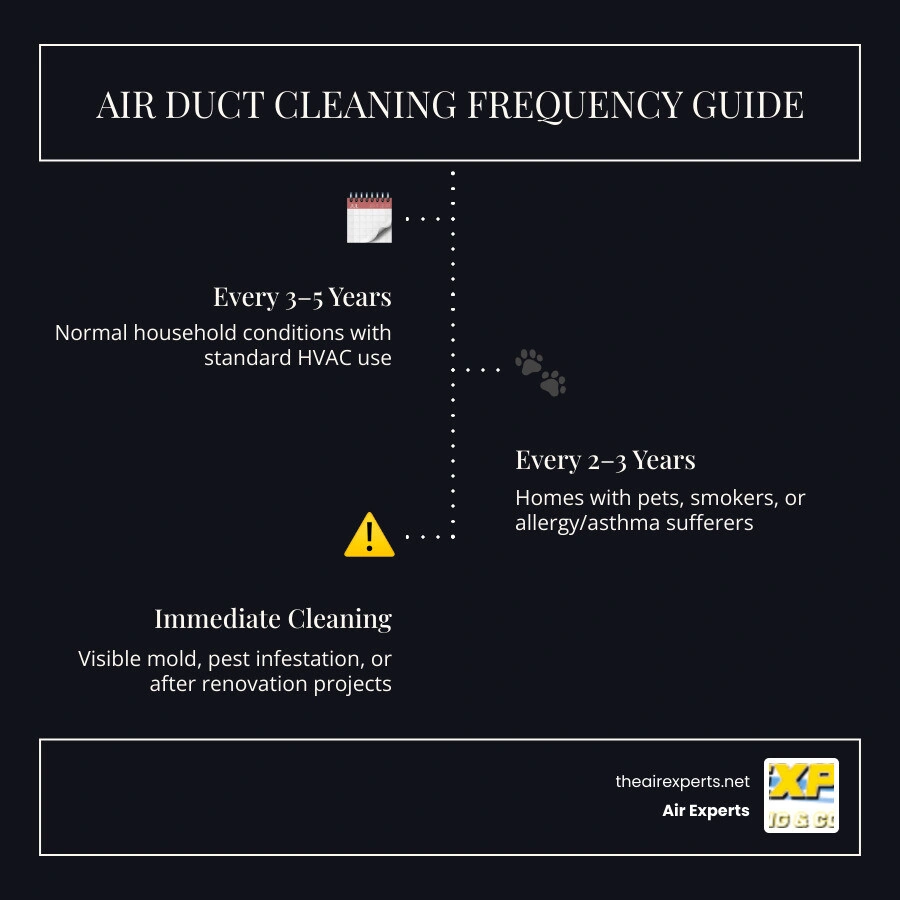
- Every 3 to 5 years under normal household conditions
- Every 2 to 3 years if you have pets, smokers, or allergy/asthma sufferers in the home
- Immediately if you see visible mold growth, notice signs of pest infestation, or have recently completed a renovation
- Before moving into a new home, regardless of when the previous occupants last had it done
- After any major remodeling project that involved drywall, concrete cutting, or plaster work
For most Greater Birmingham homeowners, the humid Alabama climate and year-round HVAC use mean your system is working harder — and collecting contaminants faster — than homes in drier regions. That alone can push your cleaning schedule closer to the shorter end of the recommended range.
The good news is that once you know what to look for, deciding whether it's time is straightforward. This guide walks you through every factor that matters, from visible warning signs to the specific situations that call for immediate action.
When should you get your air ducts cleaned terms at a glance:
- air duct cleaning benefits for your home
- duct cleaning benefits for allergy sufferers in humid climates
- how clean ducts improve indoor air quality and efficiency
When Should You Get Your Air Ducts Cleaned? The Industry Standards

To truly understand when should you get your air ducts cleaned, it helps to look at what the industry leaders recommend. The National Air Duct Cleaners Association (NADCA) recommends air duct cleaning every three to five years under normal conditions. However, they also advise that systems should be inspected at least once every two years to ensure there are no hidden issues developing.
On the other hand, the U.S. Environmental Protection Agency (EPA) takes an "as-needed" stance. They do not recommend routine cleaning on a strict calendar basis but urge homeowners to prioritize cleaning immediately if there is substantial visible mold growth, a vermin infestation, or if the ducts are clogged with excessive dust and debris that is actively releasing particles into the home.
By combining these two perspectives, we get a highly practical approach: use the calendar as a baseline, but let visual inspections and your home's unique environmental factors dictate when you actually schedule the service. For a detailed breakdown of these timelines, you can read our guides on Vent Cleaning Cycles for Homeowners and Vent Cleaning How Often for Best Results.
| Household Type / Scenario | Recommended Cleaning Interval | Key Reason for Timeline |
|---|---|---|
| Standard Household | Every 3 to 5 Years | Gradual accumulation of household dust, skin cells, and lint. |
| Homes with Pets | Every 2 to 3 Years | Fur, dander, and outdoor allergens bypass filters and settle in return runs. |
| Allergy or Asthma Sufferers | Every 2 Years | Minimizes the recirculating allergen load to protect sensitive airways. |
| Post-Renovation or Remodel | Immediately | Drywall dust, plaster particles, and sawdust bypass filters and settle in ducts. |
| New Home Purchase | Upon Move-In | Clears out construction residue or the skin cells and pet dander of previous owners. |
| Visible Mold or Pests | Immediately | Resolves active biological contamination and airborne health hazards. |
Standard Maintenance Intervals for Alabama Homes
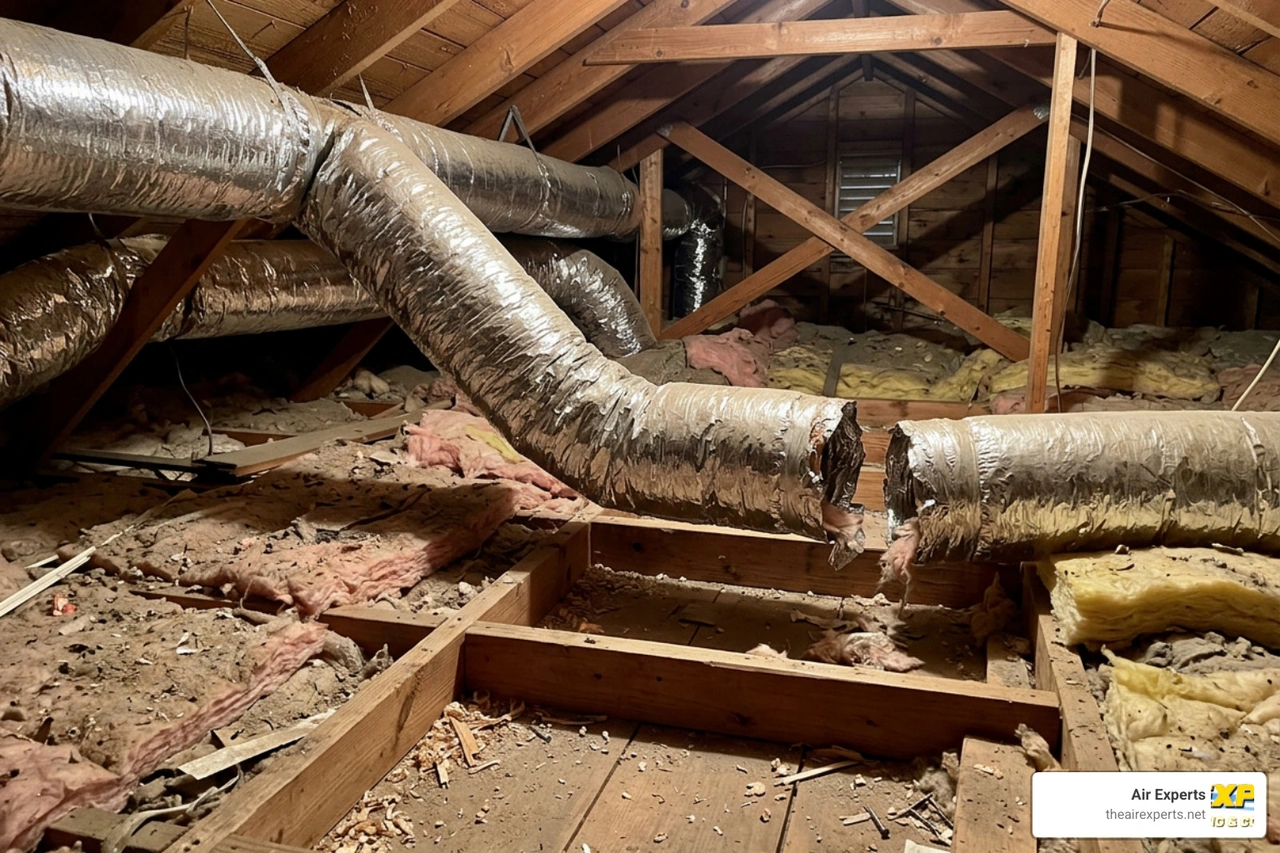
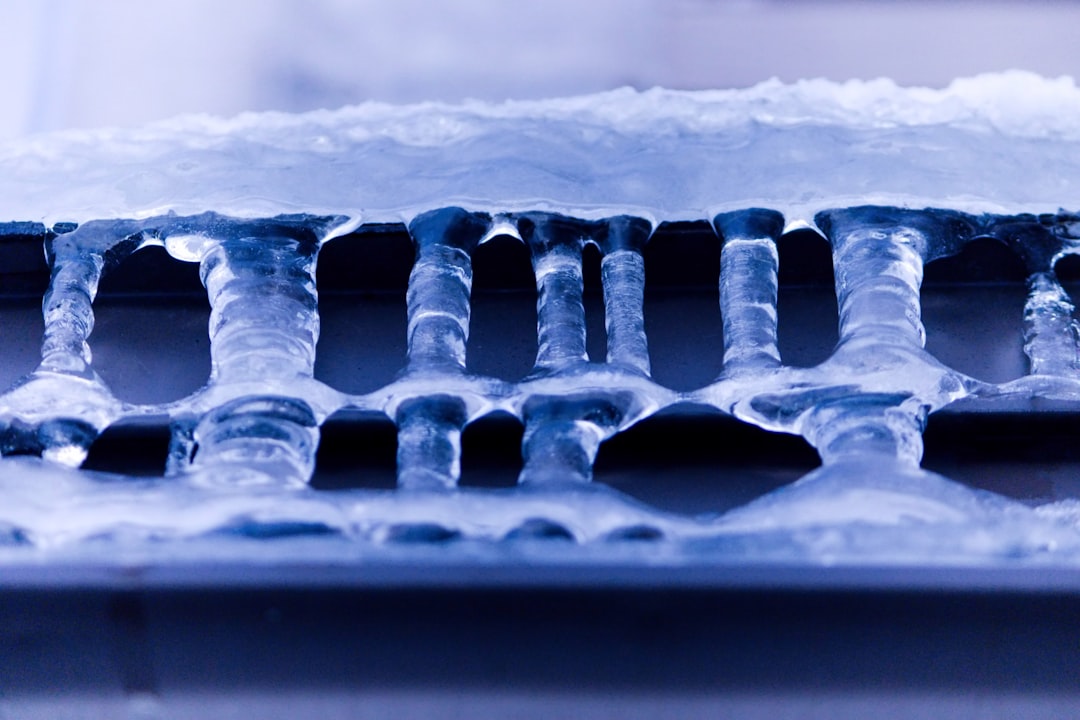
While a three-to-five-year interval is the standard national baseline, living in the Greater Birmingham area introduces unique regional challenges. Our long, intense cooling seasons and brief heating cycles mean our HVAC systems run almost constantly. During our long, muggy summers, high humidity levels can introduce moisture into uninsulated or poorly sealed ductwork.
When cool air passes through warm, humid spaces, condensation occurs. This moisture acts like a magnet for airborne dust, turning it into a sticky paste that clings to duct walls. This means homes in areas like Hoover, Pelham, and Chelsea often collect heavy debris faster than homes in drier climates. If you are experiencing uneven airflow or high utility bills in these areas, checking your Ductwork Hoover AL is often the first step to restoring comfort.
When Should You Get Your Air Ducts Cleaned If You Have Pets?
If you share your home with furry family members, your duct cleaning schedule needs to be adjusted. No matter how often you vacuum, brush, or sweep, pets shed a tremendous amount of hair and dander. Pet dander is microscopic, lightweight, and easily becomes airborne.
As your HVAC system pulls air through the return registers, it draws in this dander and fur. Standard fiberglass air filters only catch a fraction of these particles. Over time, the rest settles deep inside your system, creating a thick layer of organic material that serves as a breeding ground for bacteria and odors. If you've wondered Why Home Ventilation is Collecting Dust so quickly, pet dander is often the primary culprit. For multi-pet homes, scheduling a cleaning every two to three years keeps these biological pollutants from taking over your air.
When Should You Get Your Air Ducts Cleaned After a Home Renovation?
Many homeowners are surprised to learn that a cosmetic update can severely impact their HVAC system. When you remodel, activities like sanding drywall, cutting tile, grinding concrete, or installing plaster generate massive clouds of fine, powdery dust.
Even if you cover your registers with plastic sheeting, this fine dust has a way of finding its way into your return vents. Once inside, drywall dust can coat the blower motor, the evaporator coils, and the interior walls of your ductwork. Because drywall dust contains minerals and binding agents, it can restrict airflow and put immense mechanical strain on your system. If you have recently completed a renovation in Trussville, Vestavia Hills, or Mountain Brook, scheduling a professional duct cleaning immediately after the project wraps up is essential to protect your HVAC investment.
Key Indicators That Your Ventilation System Needs Immediate Attention
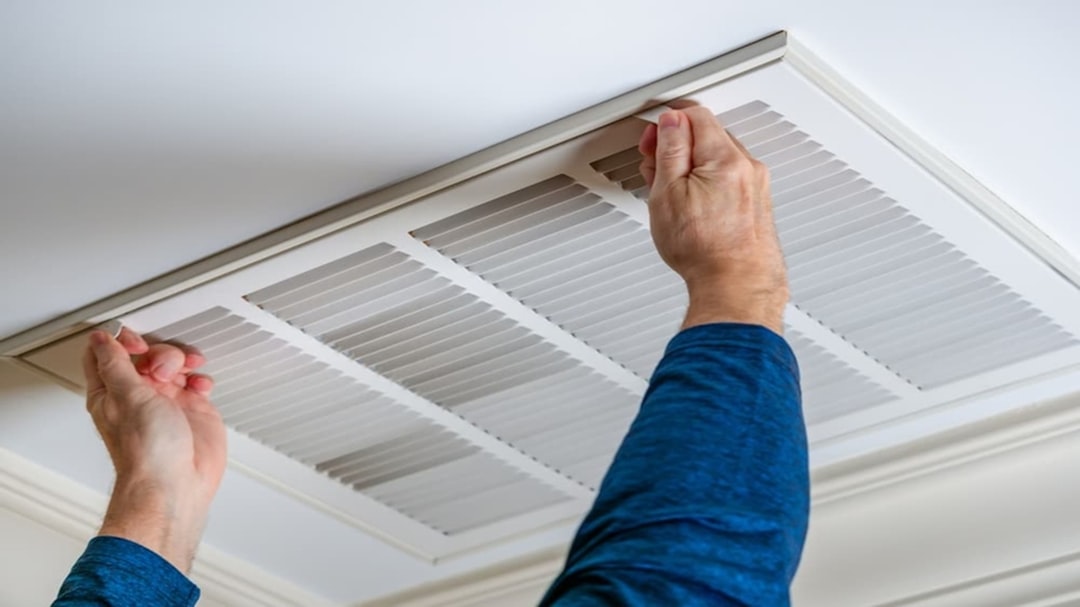
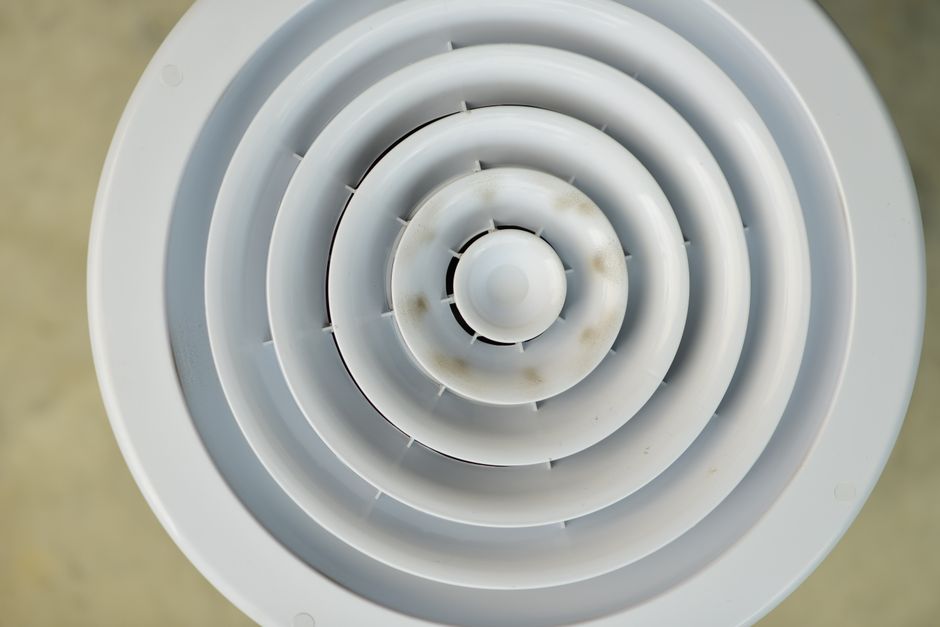
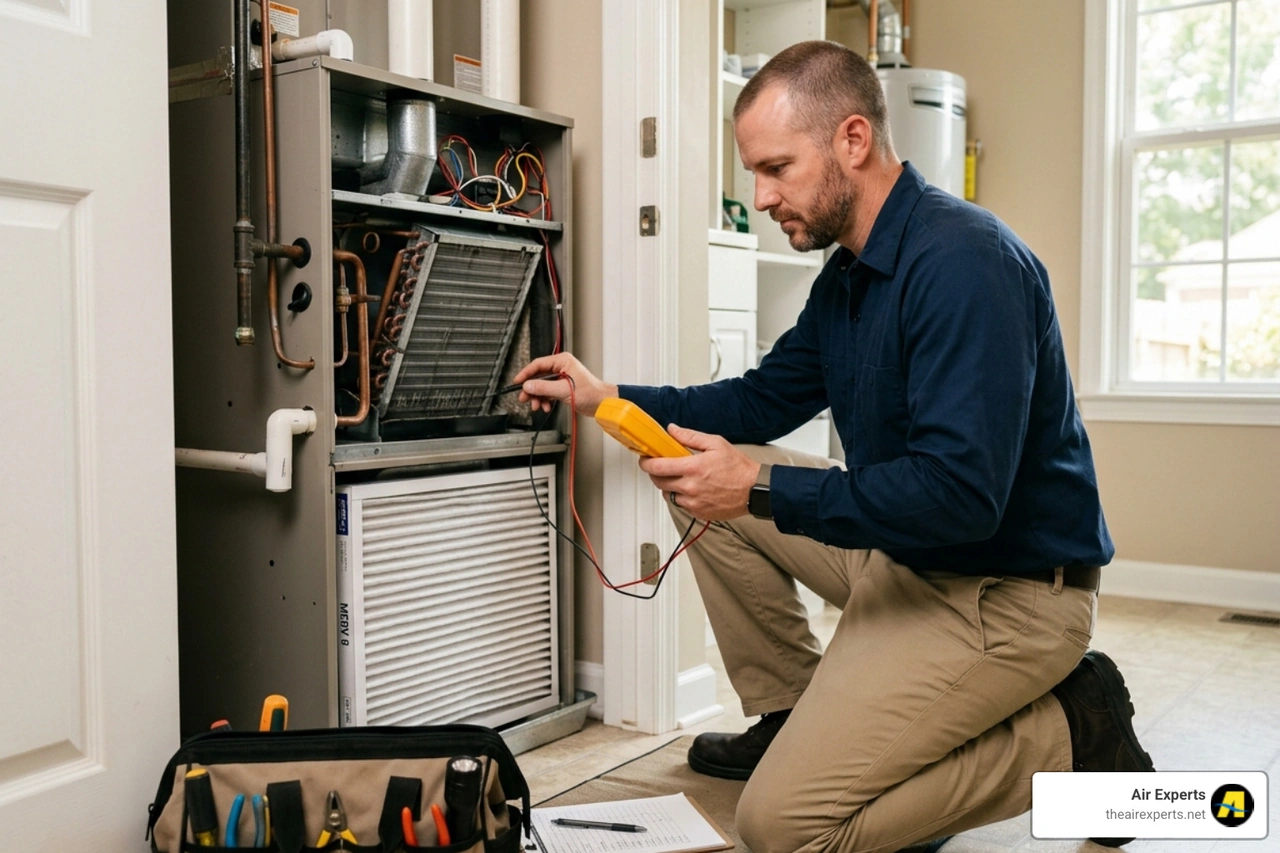
You do not have to guess if your ducts are dirty. There are several clear, physical warning signs that tell you exactly when your system is struggling. To check your ducts yourself, simply remove a vent cover and shine a flashlight inside. If you see thick, matted dust clinging to the metal or flexible lining, or if you notice a cloud of dust puffing out of the registers every time the blower turns on, your system is overdue for attention. You can read more about these warning signs in our detailed guide on Signs Your Air Vents Need Cleaning.
Visible Mold Growth and Musty Odors
Mold is a serious concern in humid climates. If you smell a persistent musty, earthy, or damp odor whenever your air conditioning kicks on, it is a strong indicator of biological growth inside the system.
Mold spores require two things to thrive: a food source (like organic household dust) and moisture (from humidity or system condensation). When mold takes hold inside your air handler or ductwork, every cycle of your AC redistributes millions of invisible spores throughout your living spaces. To protect your family, learn about Mold Growth Signs in Homes Ventilation System and address any moisture issues immediately before cleaning.
Pest Infestations and Debris Accumulation
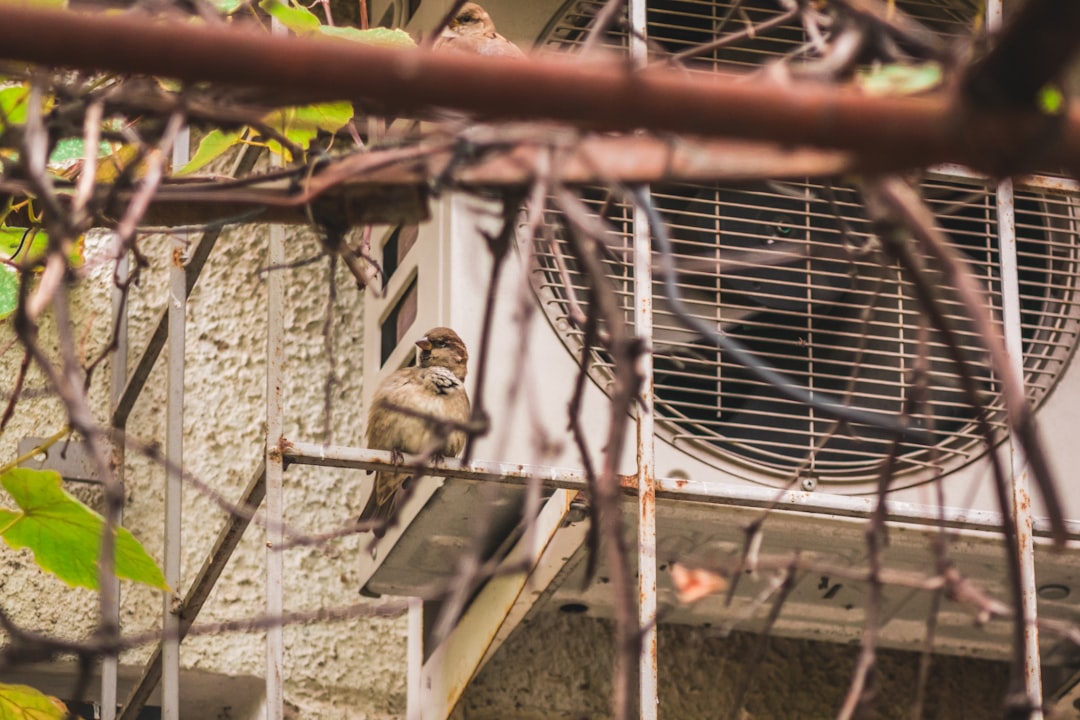
Your ductwork is a warm, dry, and protected highway for pests. Mice, rats, squirrels, and insects can enter your ductwork through small gaps or disconnected joints. Once inside, they leave behind droppings, nesting materials, and urine.
This creates a severe health hazard, as the blower fan circulates these biological contaminants directly into your bedrooms and living areas. If you notice sharp, ammonia-like odors, hear scratching sounds in your walls or ceilings, or find pest droppings near your registers, you should contact a pest control professional first, followed immediately by a professional duct cleaning to sanitize the system.
Does Duct Cleaning Actually Improve Indoor Air Quality and HVAC Efficiency?
A common question among homeowners is whether this service actually delivers real-world results. The short answer is yes — when performed correctly, duct cleaning has a direct, positive impact on both your home's air quality and your system's overall performance.
By removing the built-up "source" of dust and allergens, you stop the continuous cycle of recirculating contaminants. To learn more about this connection, explore our articles on How Clean Ducts Improve Indoor Air Quality and Efficiency and Duct Cleaning Offers Benefits Health HVAC.
Health Benefits for Allergy and Asthma Sufferers
For those living with respiratory conditions, clean air is not a luxury — it is a necessity. Our homes collect a mix of pollen, mold spores, pet dander, and dust mites. When these particles settle in the ductwork, they are constantly stirred up and blown back into the air you breathe.
Removing this accumulation can provide significant respiratory relief, reducing symptoms like sneezing, coughing, and sinus congestion. This is especially true in our humid climate, as detailed in our guide on Duct Cleaning Benefits for Allergy Sufferers in Humid Climates and Air Duct Cleaning Benefits for Your Home.
Restoring Airflow and Reducing Energy Waste
According to the U.S. Department of Energy, a significant portion of the energy used for heating or cooling is wasted due to system contaminants. Dust and dirt do not just sit quietly in your ducts; they also build up on critical HVAC components.
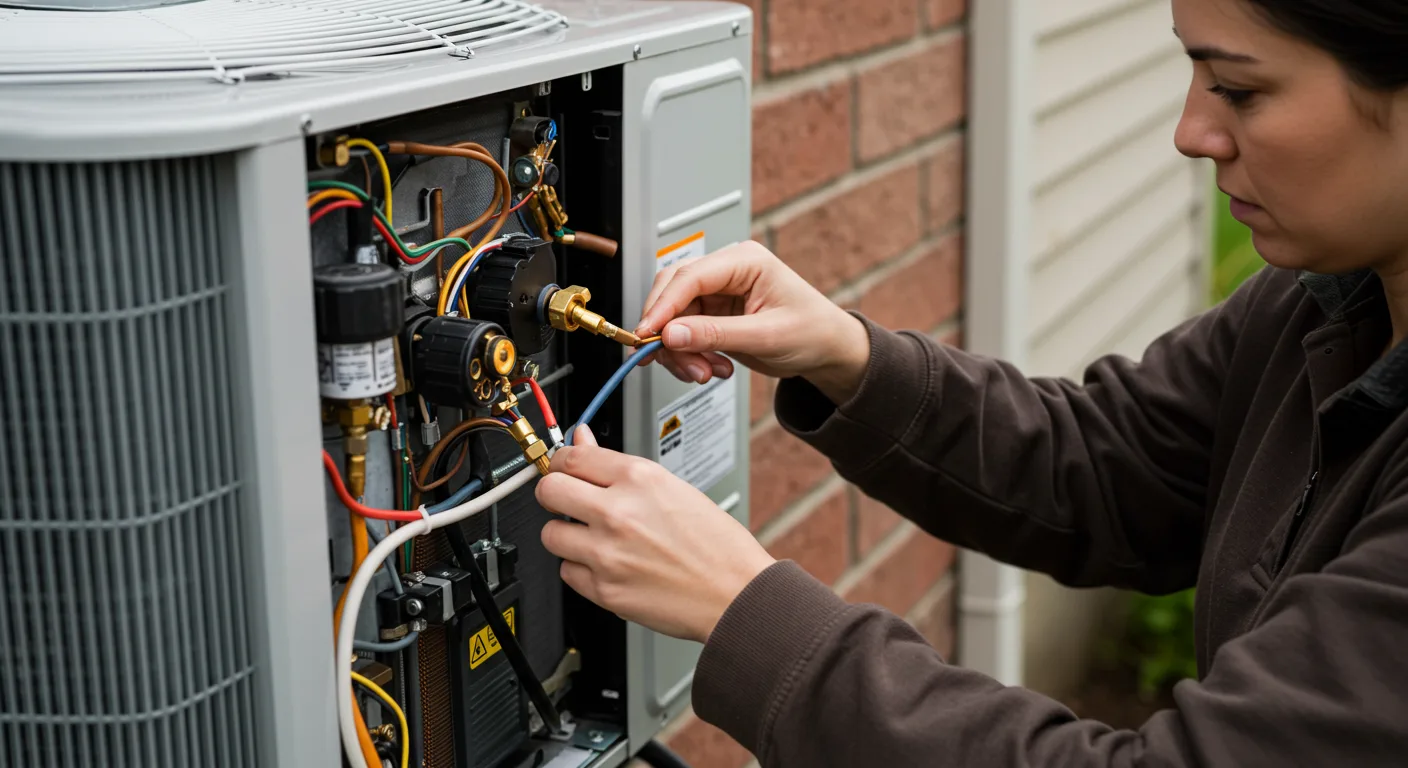
When dust coats your cooling coils, it acts as an insulator, reducing the system's ability to cool the air. In fact, dirty coils can reduce cooling system efficiency by as much as 30%. This forces your system to run longer and work harder, leading to higher utility bills and premature parts failure. Keeping your vents clean prevents these efficiency losses. This is a common issue we address locally, as outlined in our article on how Poor Vent Maintenance Affects IAQ in Helena.
How to Maintain Clean Air Ducts and Prevent Contamination
Preventative care is the best way to extend the time between professional cleanings and protect your system's longevity. By taking a few simple steps, you can prevent dust and moisture from entering your system in the first place. Additionally, don't overlook other ventilation paths in your home — maintaining clean dryer lines is equally important for safety and efficiency, as explained in our guide on Green Dryer Vent Cleaning.
High-Efficiency Filtration and Regular Filter Changes
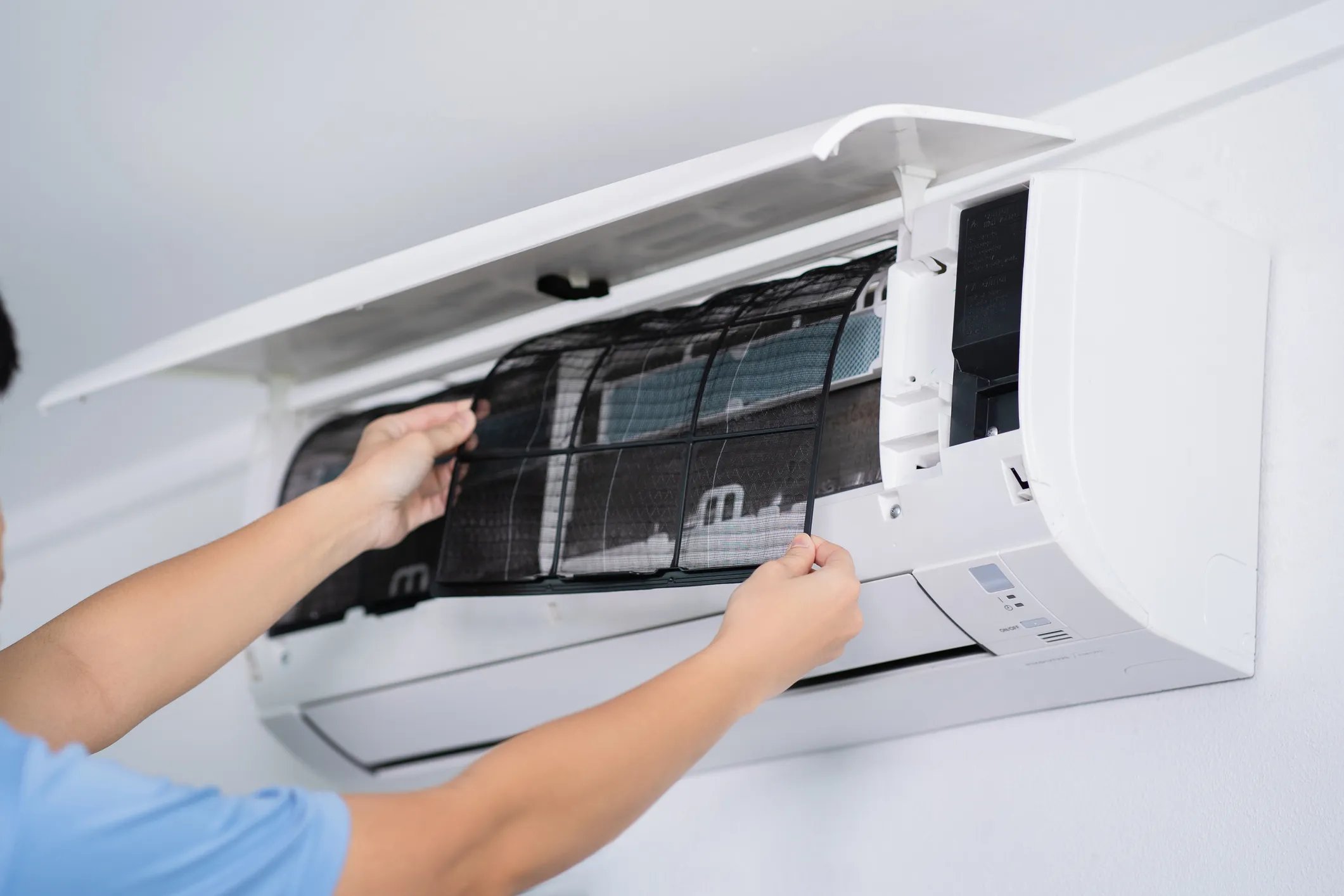
The single most effective thing you can do to keep your ducts clean is to change your air filters regularly.
- Check your filters monthly: If you hold the filter up to a light and no light passes through, replace it immediately.
- Choose the right MERV rating: Use filters rated between MERV 8 and MERV 11. These are highly effective at capturing dust, dander, and pollen without restricting your system's airflow. Avoid extremely high-MERV filters unless your system is specifically designed for them, as they can restrict airflow and strain your blower motor.
- Replace regularly: Change standard filters every 30 to 90 days depending on whether you have pets.
Controlling Indoor Humidity and Moisture
Since mold requires moisture to grow, keeping your indoor humidity controlled is essential.
- Maintain ideal humidity: Keep your home's relative humidity between 30% and 50% using your air conditioner or a whole-home dehumidifier.
- Promptly repair leaks: Fix any plumbing leaks, roof leaks, or AC condensate line blockages immediately to prevent water from entering your ductwork.
- Seal your ducts: Ensure your ductwork is properly sealed and insulated, especially in non-air-conditioned spaces like crawlspaces or attics, to prevent condensation.
Choosing a Reputable Service Provider
When you decide it is time for a cleaning, choosing the right provider is critical. A proper cleaning requires specialized, high-powered negative pressure vacuum equipment that attaches directly to your duct trunk line. This creates continuous suction, pulling all dust and debris out of your home without letting it escape into your living spaces.
Be wary of "bait-and-switch" pricing offers that sound too good to be true. These companies often do a superficial job or try to upsell you on unnecessary services. At Air Experts, we believe in a different approach: "No Upselling. No catch. Just Honest, Quality Service." For more tips on vetting providers, read our Air Duct Cleaning Birmingham Complete Guide and Duct Cleaning Complete Guide.
Frequently Asked Questions About Duct Cleaning
Can dirty air ducts make you sick?
While dirty air ducts themselves may not directly cause specific illnesses, they can certainly trigger or worsen respiratory irritation, allergies, and asthma. When dust, mold spores, pet dander, and pest droppings accumulate in your system, they are constantly recirculated through your home. For sensitive individuals, children, and the elderly, breathing in these airborne contaminants daily can lead to chronic coughing, sneezing, headaches, and sinus discomfort.
Should chemical biocides or sealants be used inside air ducts?
The EPA does not currently register chemical biocides for use on internally-insulated fiberglass duct systems, and research has not fully demonstrated their long-term effectiveness or safety. We generally do not recommend applying chemical biocides or sealants unless there is an active, verified mold issue that cannot be resolved through source removal alone. If mold is present, the underlying moisture problem must be corrected first, or the mold will simply return.
How long does professional air duct cleaning take?
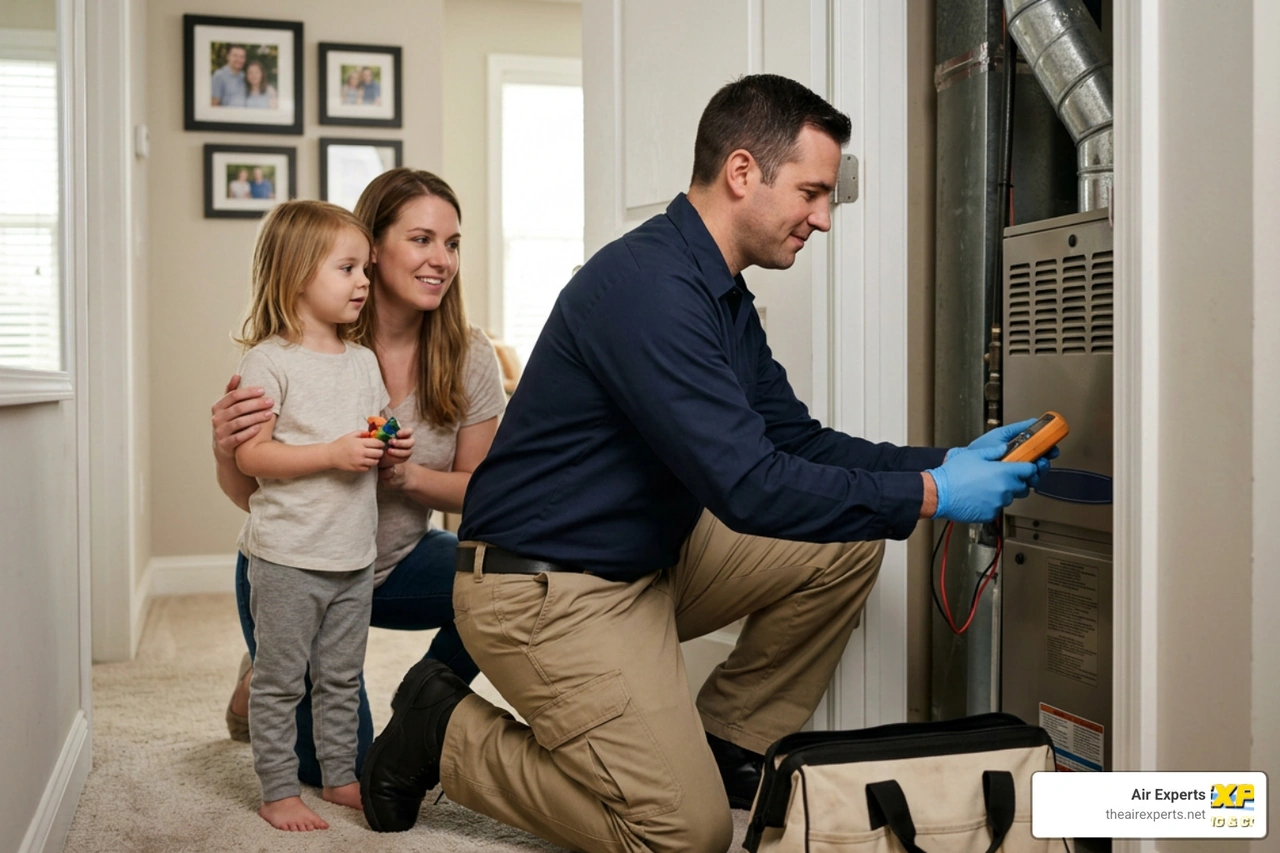
For a standard single-family home with one HVAC system, a thorough professional cleaning typically takes between 2 to 4 hours. The exact time depends on the size of your home, the number of vents, and the level of buildup. Our professional team works efficiently with minimal disruption to your day, ensuring your entire system — including the registers, grilles, blower motor, and coils — is thoroughly cleaned and tested.
Conclusion
Deciding when should you get your air ducts cleaned doesn't have to be a guessing game. By combining standard industry baselines with a quick visual check of your vents, you can easily keep your home's air fresh, clean, and healthy.
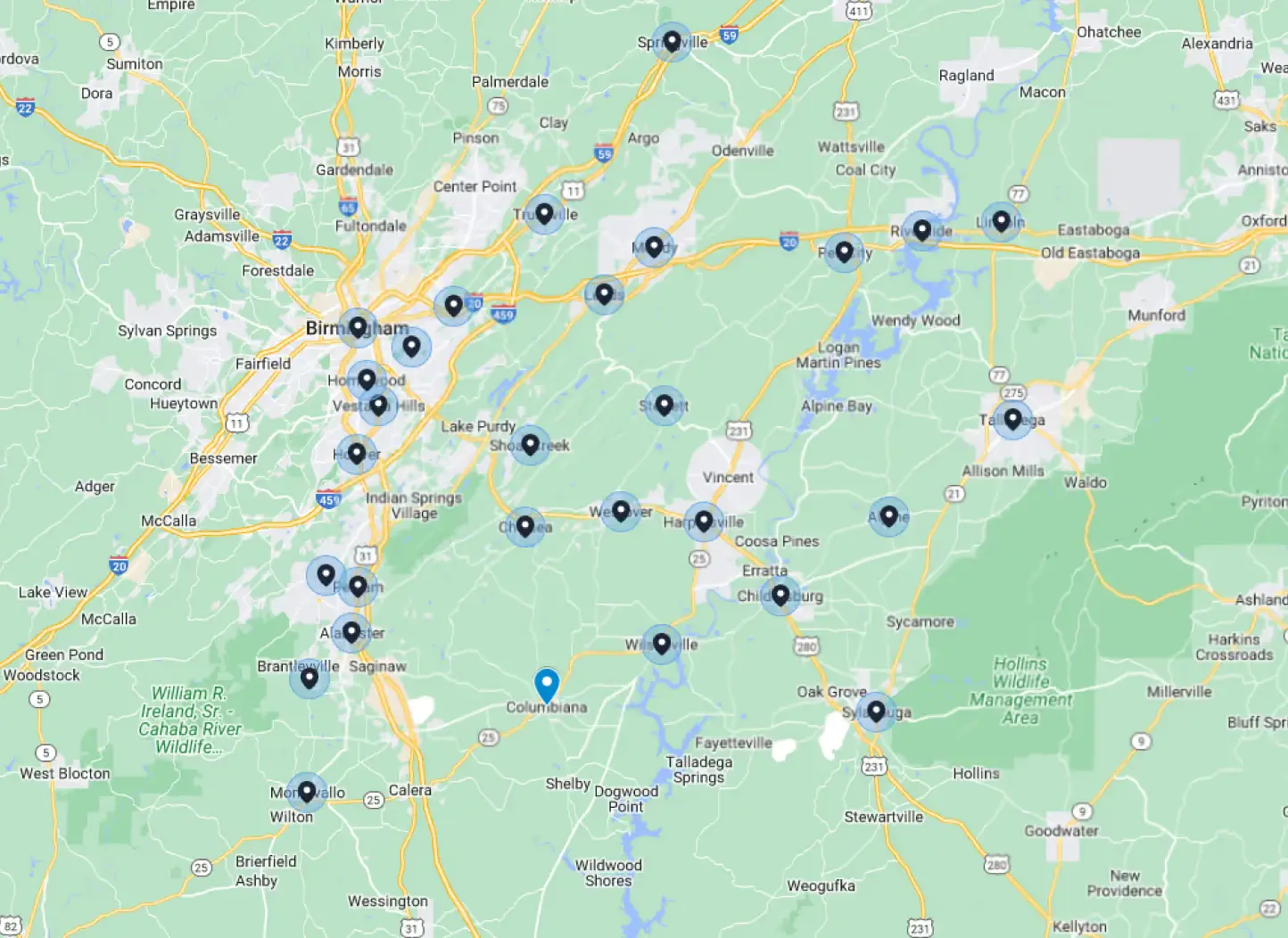
At Air Experts, we are proud to serve families across the Greater Birmingham area, including Alabaster, Chelsea, Helena, Hoover, Pelham, Trussville, and Sylacauga. We are committed to providing honest, high-quality air quality solutions with absolutely no upselling and no hidden catches. If you suspect your system is overdue for a cleaning, or if you simply want an honest evaluation of your home's Ductwork, reach out to our warm and friendly team today. We are always here to help you breathe easier!
More Blogs
More Blogs
.png)

























.svg)
.svg)


.svg)
.svg)
