.svg)
.svg)

Table of contents

What's the Difference Between a Diagnostic and Guessing at Repairs?
A diagnostic isolates the actual failed component using refrigerant pressure readings, electrical continuity and voltage tests, and airflow measurements — we identify the real cause before quoting a repair, rather than replacing parts one at a time on a guess and hoping it fixes the problem.
Step by Step: What Happens During a No-Cool Diagnostic
1. Symptom review: We ask what you've noticed — when it started, any sounds or smells, and what the thermostat shows.
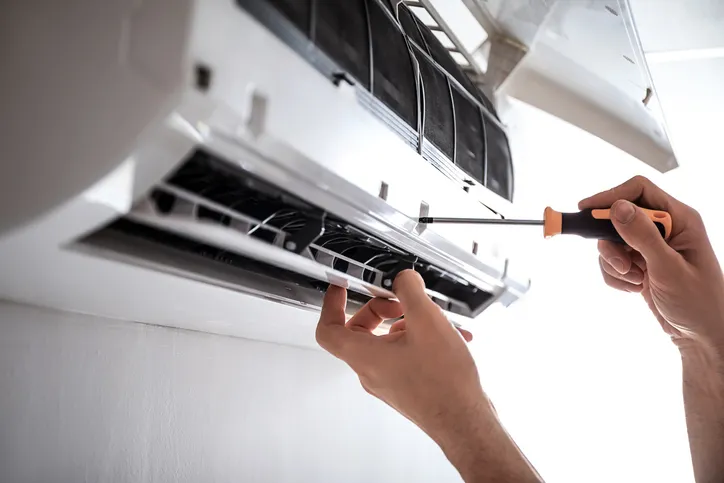
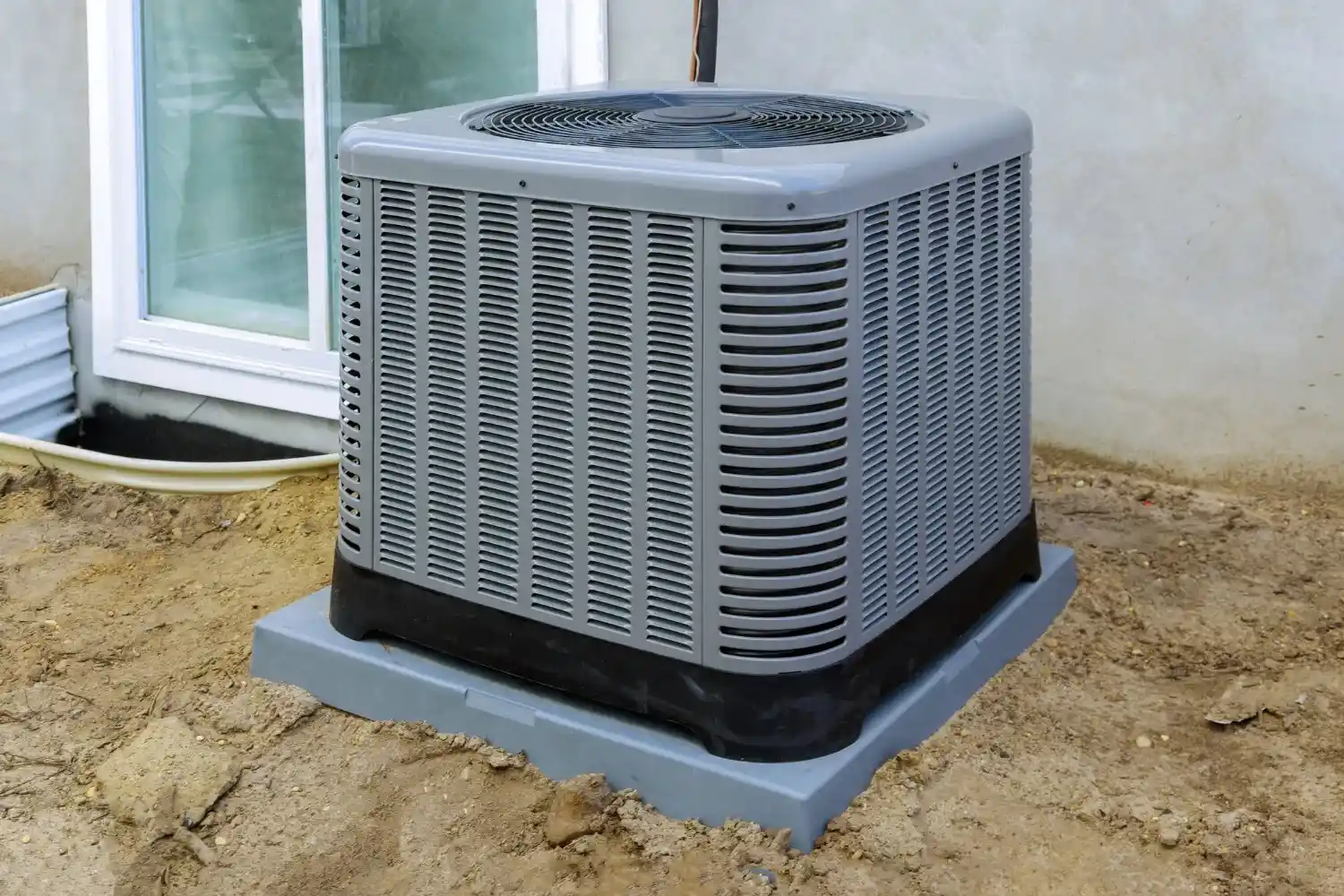
2. Visual inspection: Check the outdoor unit for debris, ice, or obvious damage, and the indoor unit for the same.
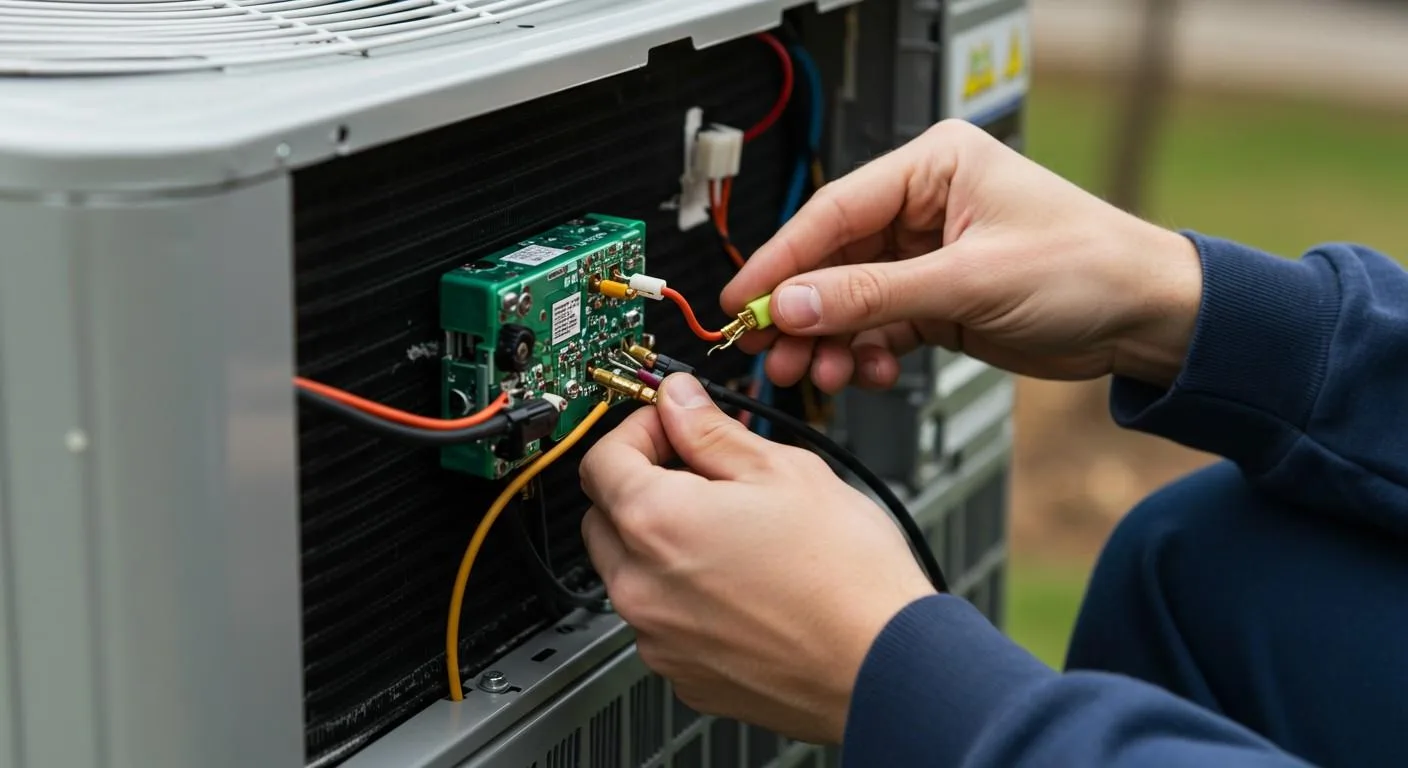
3. Electrical testing: Verify voltage at the disconnect, test the capacitor and contactor, and check amperage draw against the unit's rated specs.
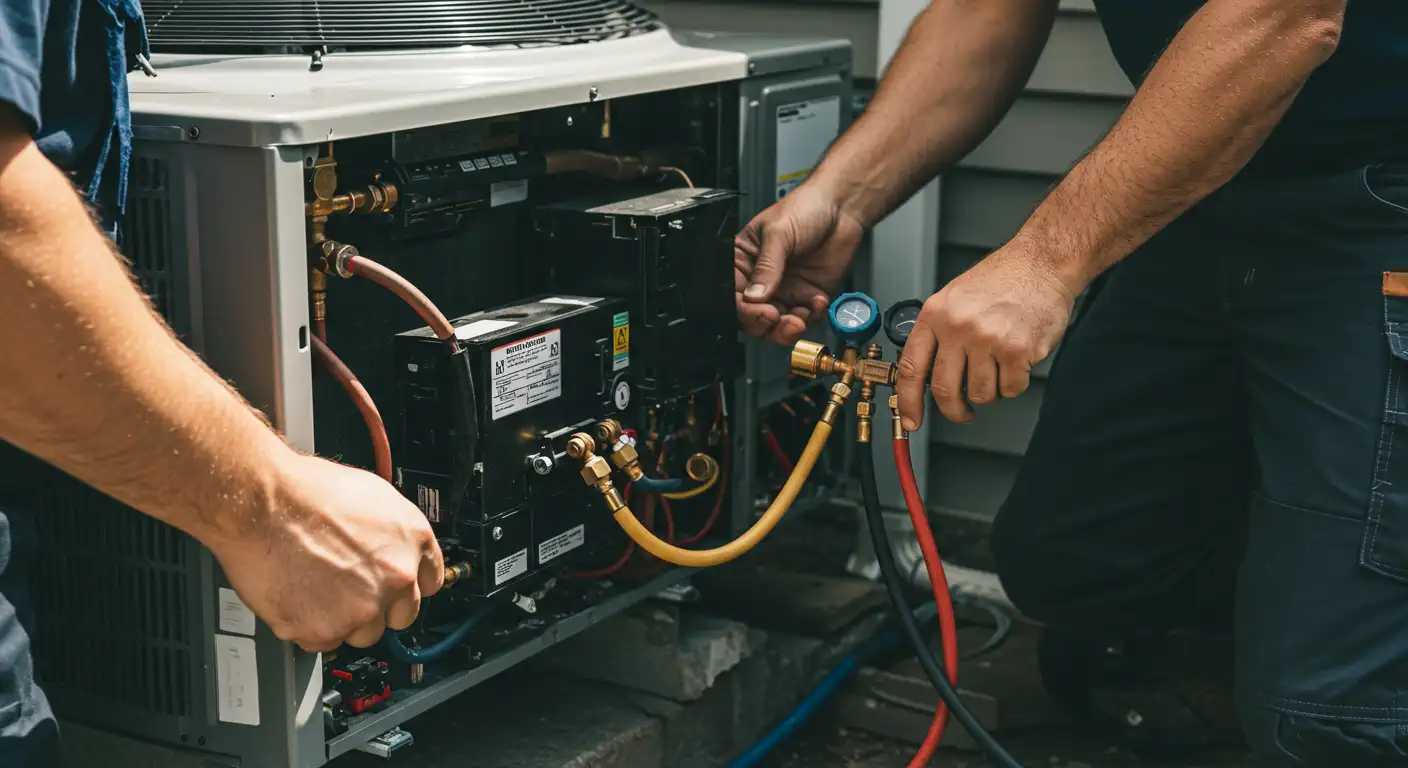
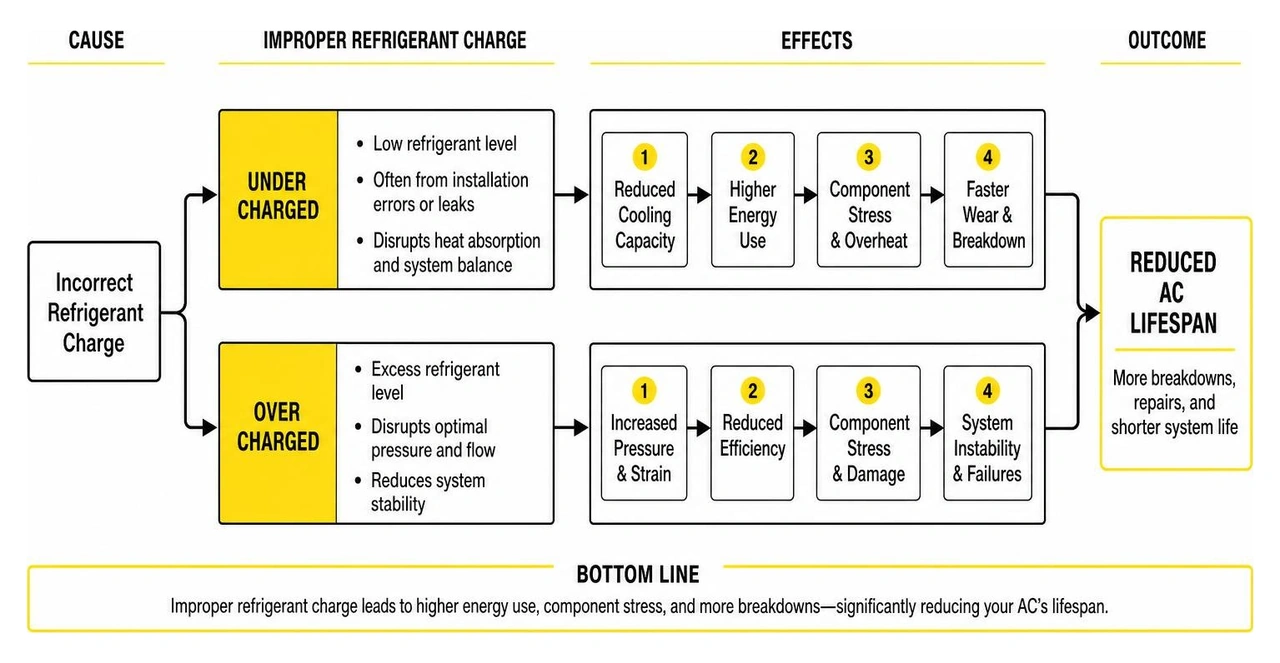
4. Refrigerant pressure check: Connect gauges to measure suction and head pressure, comparing against the manufacturer's target range for current conditions.
5. Airflow verification: Measure temperature differential between supply and return air, and check for restriction at the filter or coil.
6. Root cause identification: Cross-reference all readings to pinpoint the specific failed or failing component.
7. Options review: Walk through what we found, in plain language, along with repair and (if relevant) replacement options and pricing.
How Much Does an AC Diagnostic Cost?
We charge a flat diagnostic fee that's disclosed upfront before the visit. If you move forward with the repair the same visit, that fee is applied toward the repair cost — you're never paying twice.
How Long Does It Take?
A typical no-cool diagnostic takes 30-60 minutes to isolate the failed component. An intermittent problem — one that isn't actively happening during the visit — can take longer to reproduce and confirm with confidence.
Will You Show Me What's Actually Wrong?
Yes. We show you the specific failed part or the out-of-range reading, explain what it means without technical jargon, and lay out your repair or replacement options before any work begins. You'll never be pressured into a decision on the spot.
Can One Diagnostic Find More Than One Problem?
Yes — it's common to find a primary failure alongside a secondary issue, like a capacitor that's weak but not yet dead. We'll flag both and let you decide what to address now and what can reasonably wait.
Experiencing a no-cool problem right now? Schedule an AC diagnostic and we'll get to the bottom of it.
More Blogs
More Blogs
.png)























.svg)
.svg)


.svg)
.svg)
