.svg)
.svg)

Table of contents

Why Does Humidity Cause More AC Problems Than Heat Alone?
High humidity forces your AC's evaporator coil to remove moisture from the air in addition to heat, which increases its workload well beyond what a dry-climate system handles. In the Birmingham Metro, that extra moisture load is the real reason behind most of the AC failures we see between June and September — not the temperature by itself.
1. Frozen Evaporator Coils
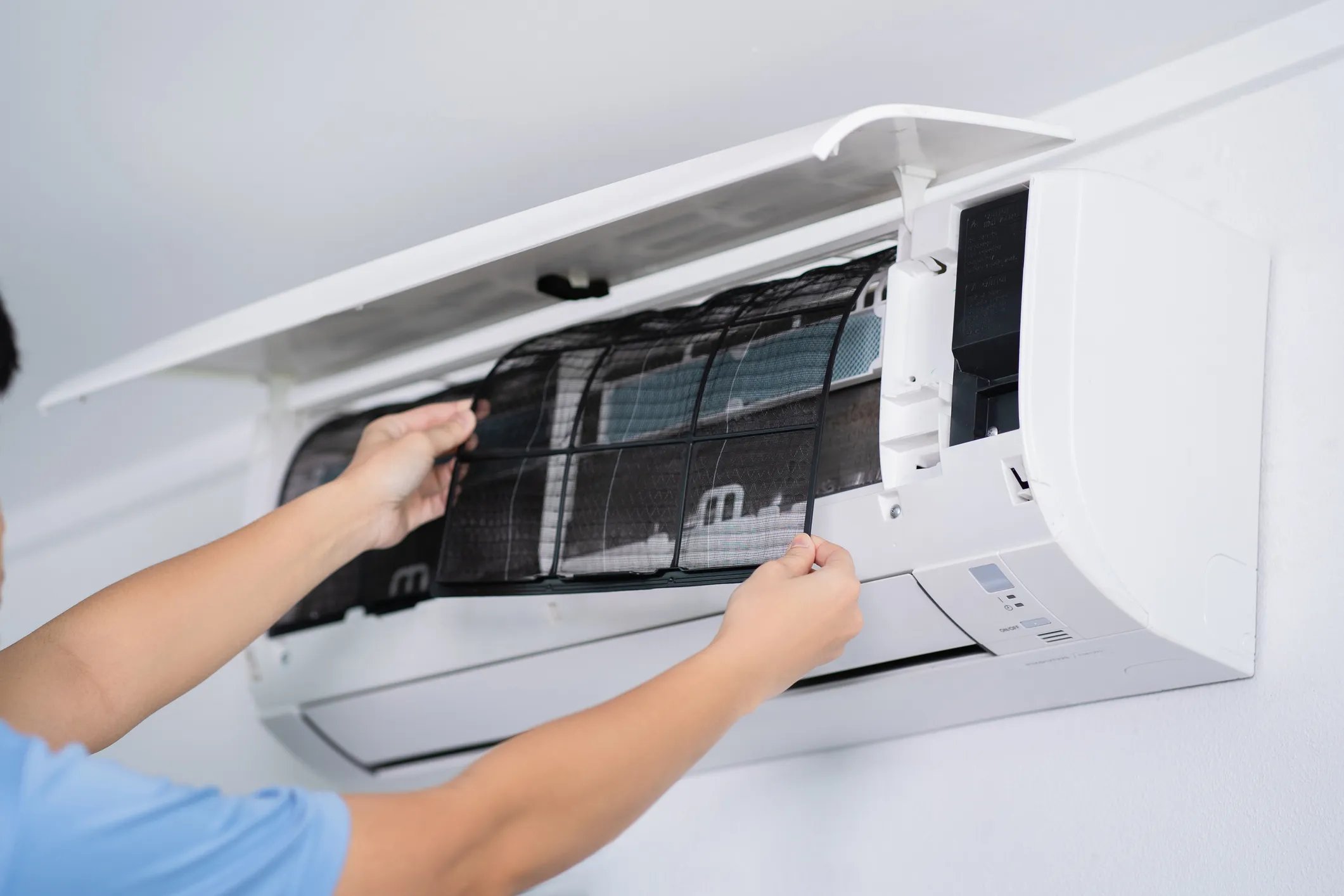
Humid air moving across a coil that's already struggling with restricted airflow (a dirty filter, closed vents, or a failing blower) freezes much faster than it would in dry conditions. Once ice forms, airflow stops almost entirely, and cooling drops off even though the system keeps running.
2. Clogged Condensate Drain Lines
More humidity in the air means more condensation collecting in the drain pan, and algae grows faster in a warm, constantly wet line. A clogged condensate line is one of the most common summer service calls we get in Alabama, and if it backs up far enough it can trip a float switch and shut the whole system off — or worse, cause water damage.
3. Short-Cycling From an Oversized System
An AC sized purely for temperature (not humidity) tends to cool the air fast and shut off before it's removed enough moisture, then kick back on minutes later. That short-cycling wears out components faster and leaves the house feeling clammy even at the thermostat's set temperature.
4. Refrigerant Leaks Accelerated by Corrosion
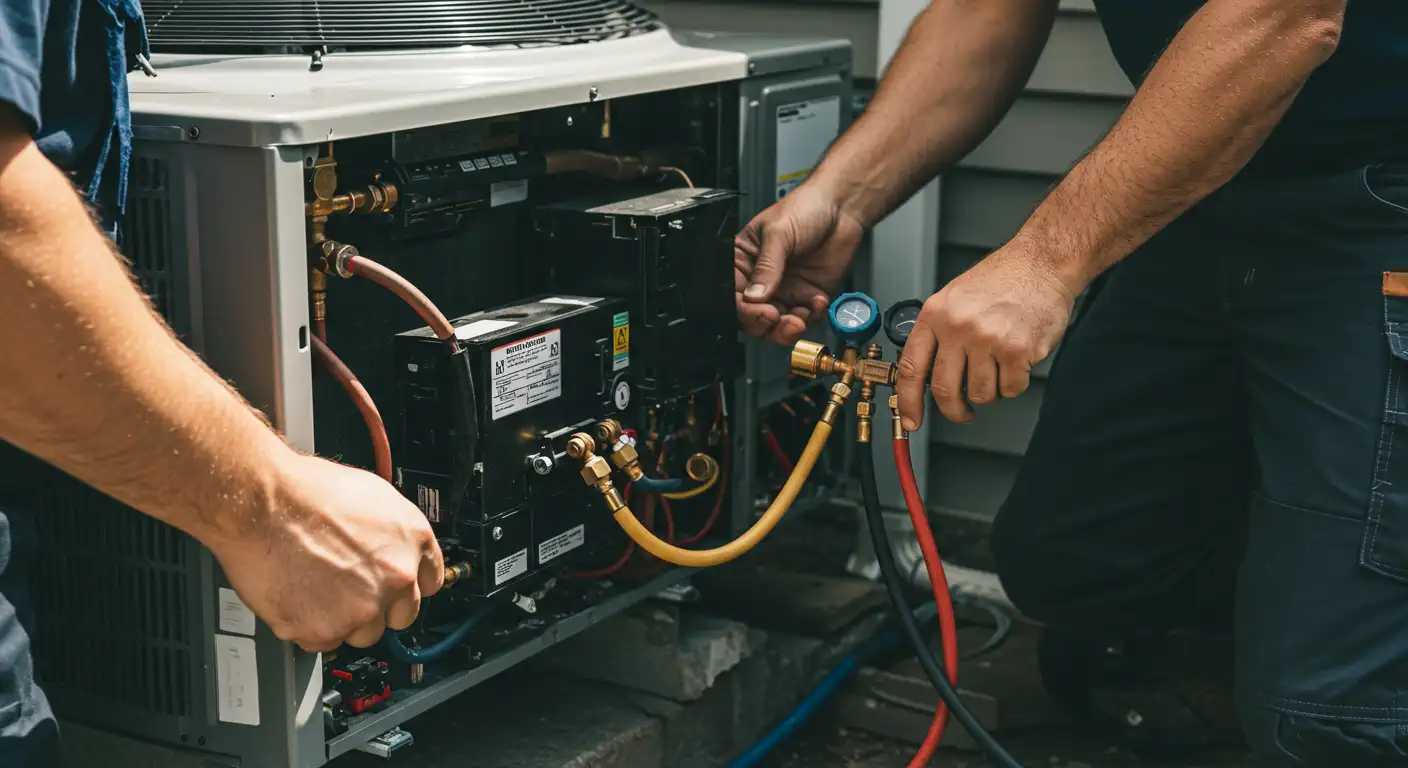
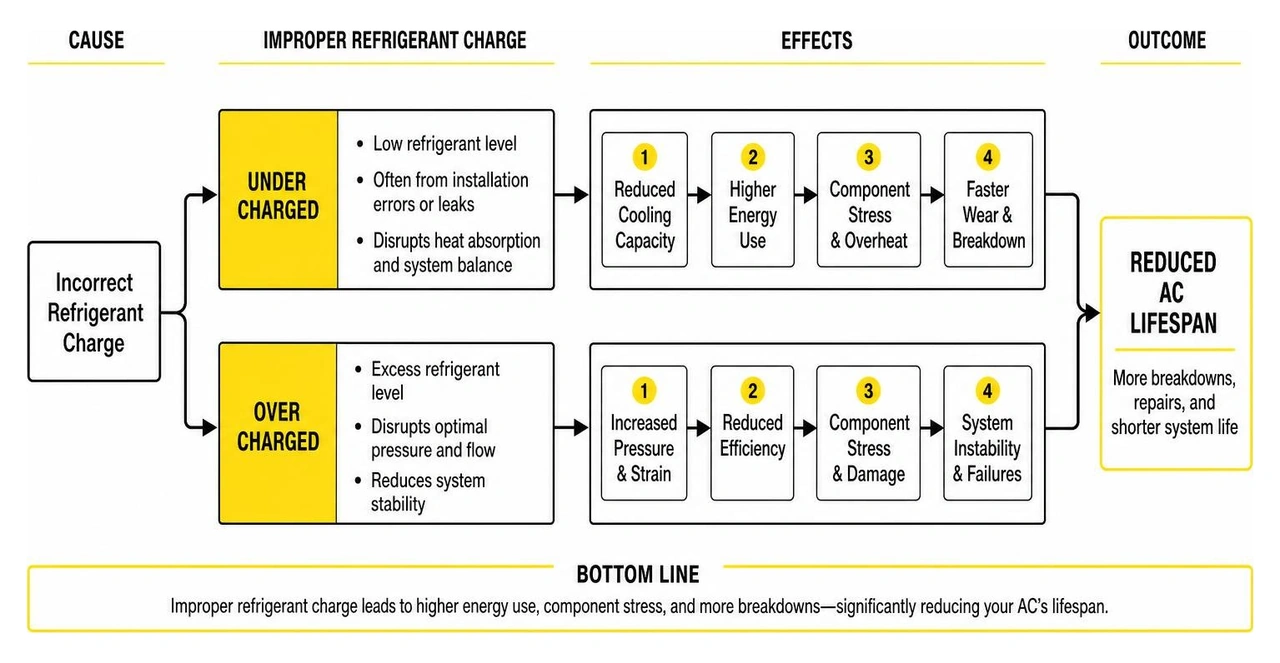
Persistent humidity promotes formicary corrosion on copper coils and line sets over time, which can eventually produce pinhole refrigerant leaks. A system that's needed a "top-off" more than once likely has a leak that needs to be found and sealed, not just recharged.
5. Electrical Component Failure
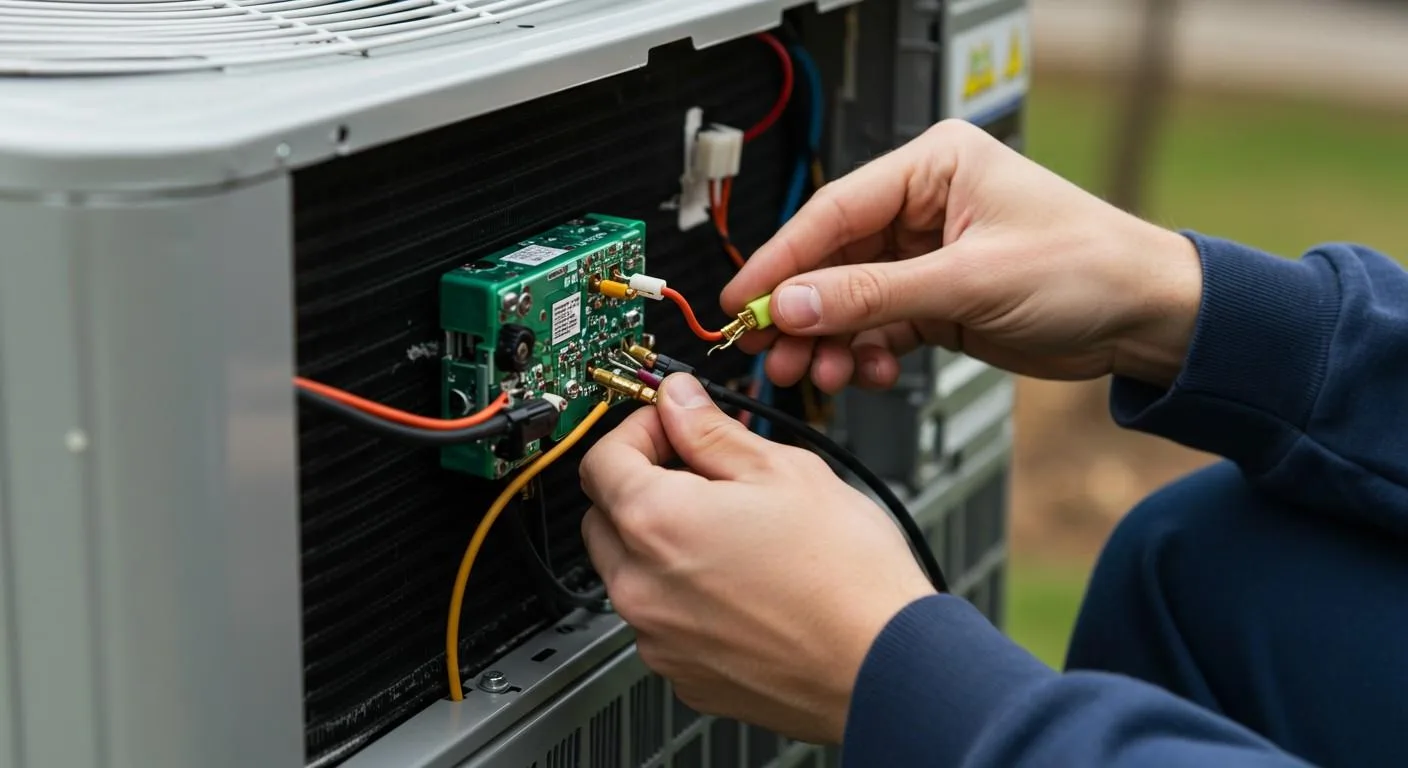
Humidity accelerates corrosion on contactors, capacitors, and circuit boards, especially in an outdoor unit that isn't sealed as tightly as newer models. A capacitor or contactor failing from corrosion is a common cause of a system that hums but won't start.
6. Mold and Musty Odors
A system working overtime to remove humidity, combined with a condensate pan or ductwork that doesn't fully dry between cycles, creates conditions where mold and mildew can take hold — often noticeable as a musty smell when the AC first kicks on.
7. Reduced Cooling Capacity From a Dirty Condenser
Humid air carries pollen and organic debris that sticks to a condenser coil more readily than dry dust does, insulating the coil and reducing how efficiently it can reject heat. This is one of the most preventable issues on this list with a simple annual cleaning.
Catching These Early
Most of these problems develop gradually and show early warning signs — a slight rise in humidity indoors, a faint musty smell, or the system running a little longer each week. A seasonal AC tune-up catches nearly all of them before they turn into a no-cool emergency during the hottest part of summer.
Noticing one of these signs already? Schedule AC repair and we'll diagnose the exact cause before recommending a fix.
More Blogs
More Blogs
.png)


















.svg)
.svg)


.svg)
.svg)
