.svg)
.svg)

Table of contents

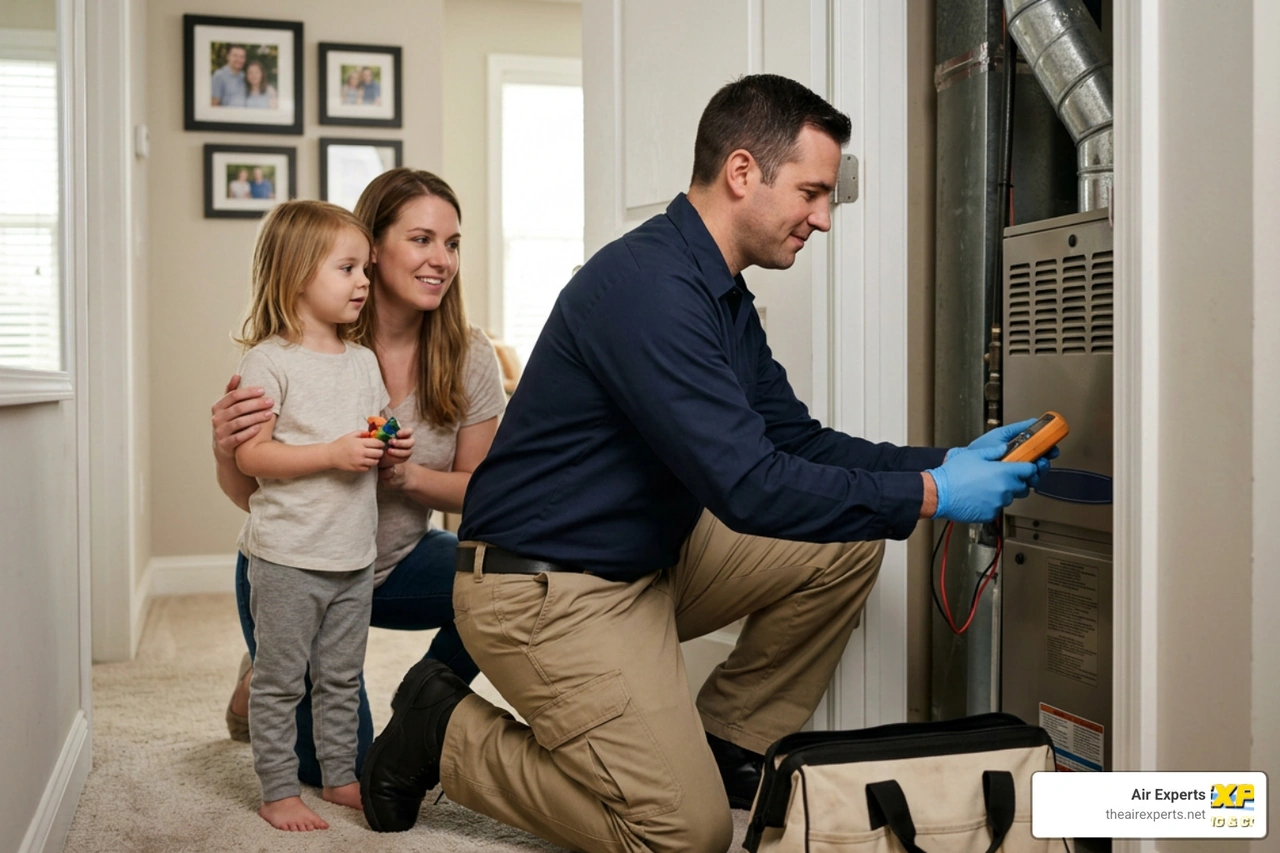
What Happens During an Indoor Air Quality Assessment?
A real IAQ assessment checks four things in sequence: indoor humidity levels, ductwork for leaks or disconnections, your current filtration setup against your system's capabilities, and a visual inspection for mold or moisture damage in accessible areas. Each step targets one of the root causes covered in what's in your indoor air.
Step 1: Humidity Reading
We measure indoor relative humidity against the 30-50% comfort range (with 60% as the mold-risk threshold) to establish whether your home needs active humidity control or whether your AC alone is keeping up.
Step 2: Ductwork Check
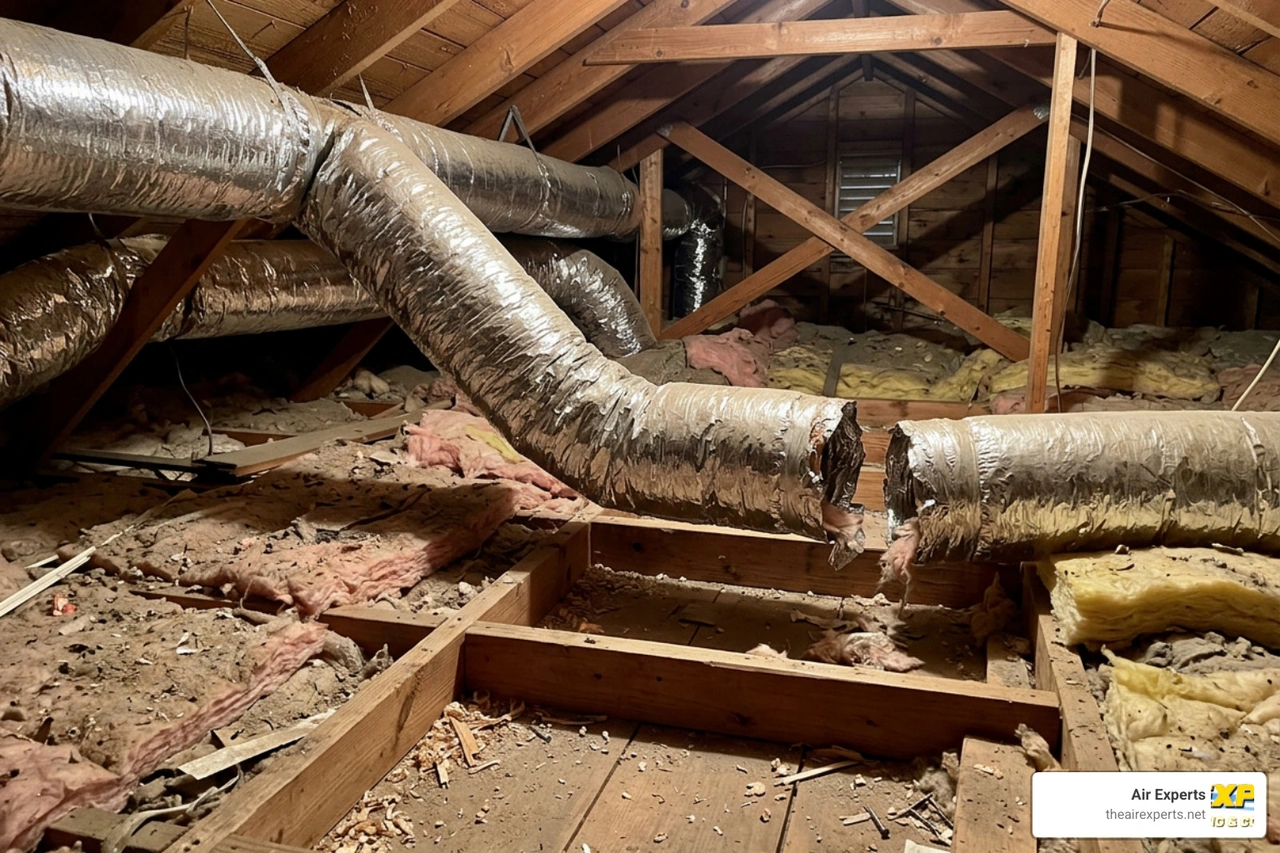
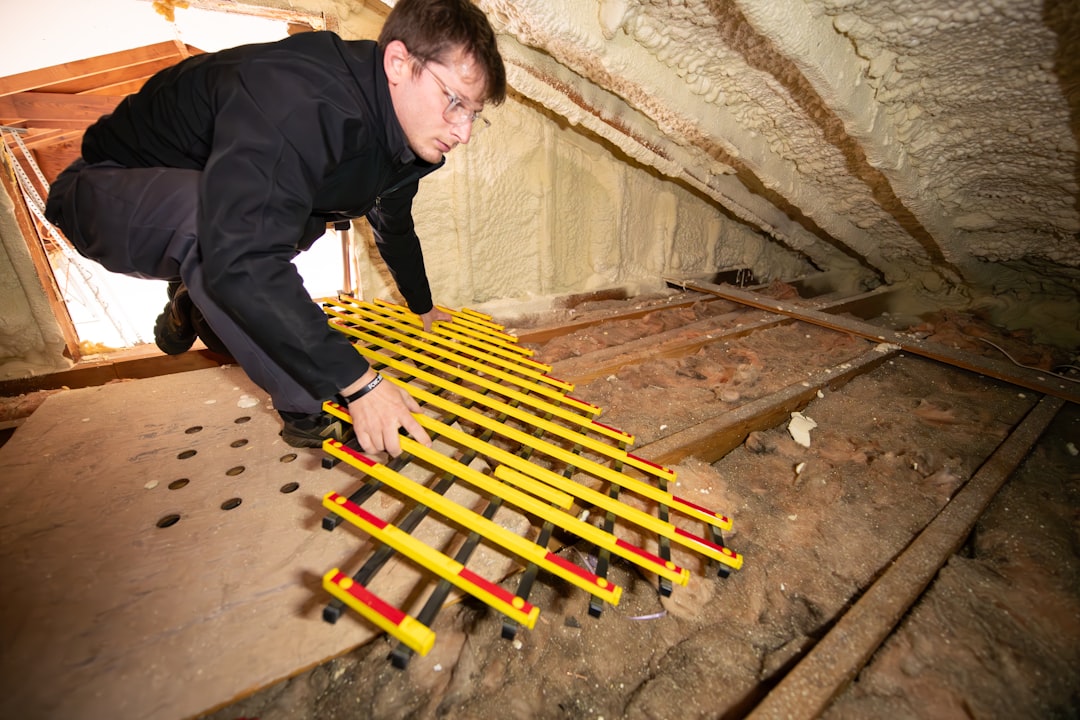
Leaky or disconnected ductwork pulls unconditioned, unfiltered air from attics or crawlspaces directly into your home's air supply — undermining filtration and humidity control at the source, no matter how good your equipment is.
Step 3: Filtration Review
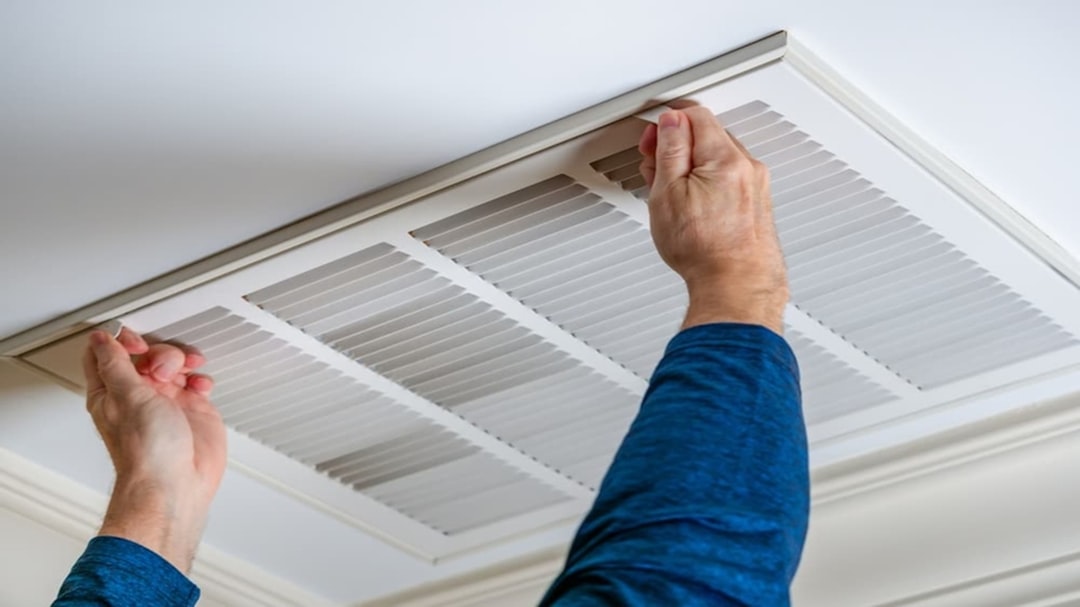
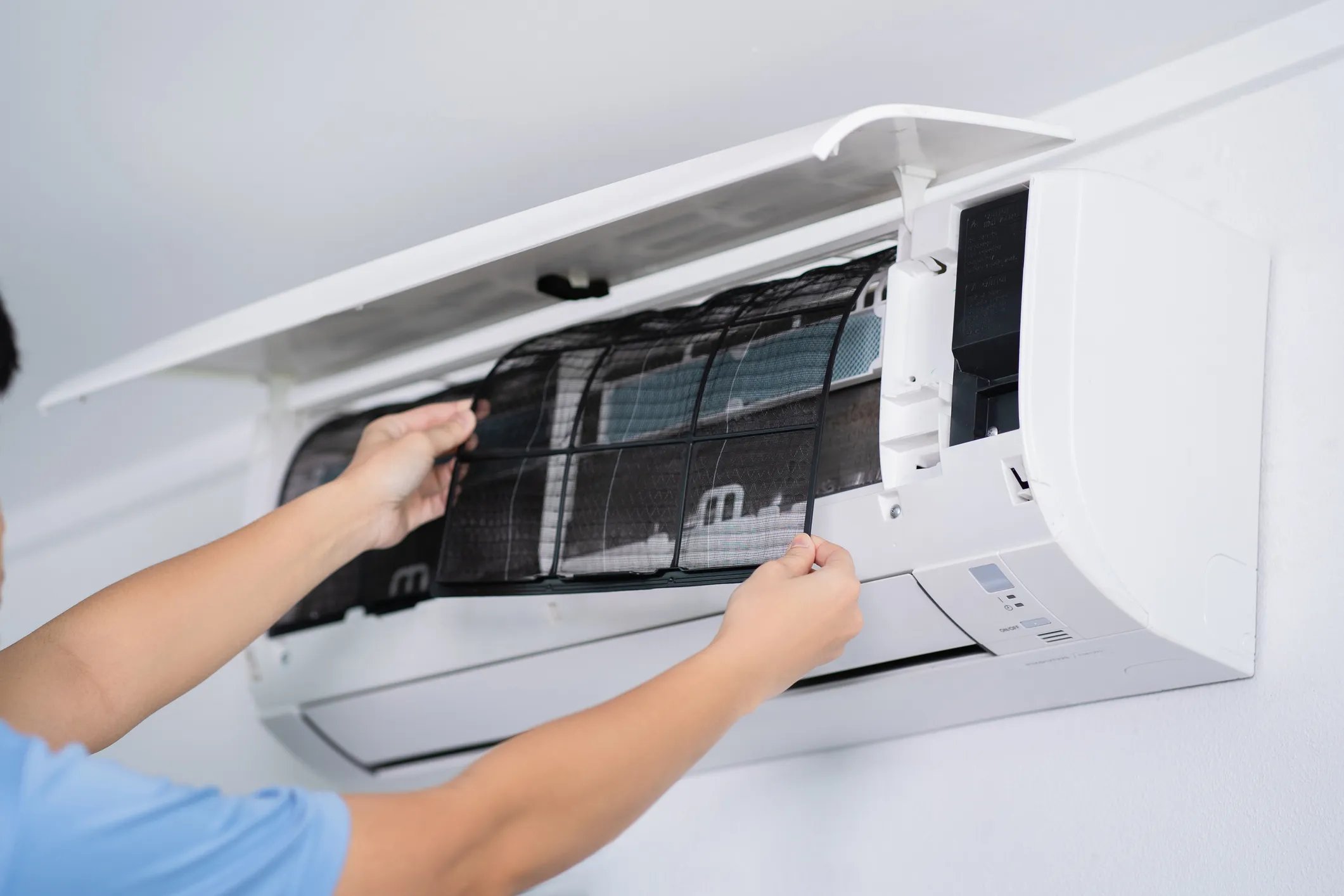
We check your current filter's MERV rating against what your system can safely handle, and whether a whole-house filtration upgrade or a targeted portable unit makes more sense for your specific concerns.
Step 4: Visual Mold and Moisture Check
We visually inspect accessible areas — around the air handler, in crawlspaces, near exterior wall corners — for signs of moisture damage or mold growth that point to a humidity problem that's already begun causing damage.
What You Get at the End
A straightforward report: what we found, what's actually causing your specific air quality concern, and — only where it applies — what fixing it would involve. We don't recommend a whole-house system if a filter upgrade solves your actual problem.
Ready to find out what's really going on with your air? Schedule an indoor air quality assessment.
More Blogs
More Blogs
.png)













.svg)
.svg)


.svg)
.svg)
