.svg)
.svg)

Table of contents

What Should I Know About Ductwork in an Older Birmingham Home?
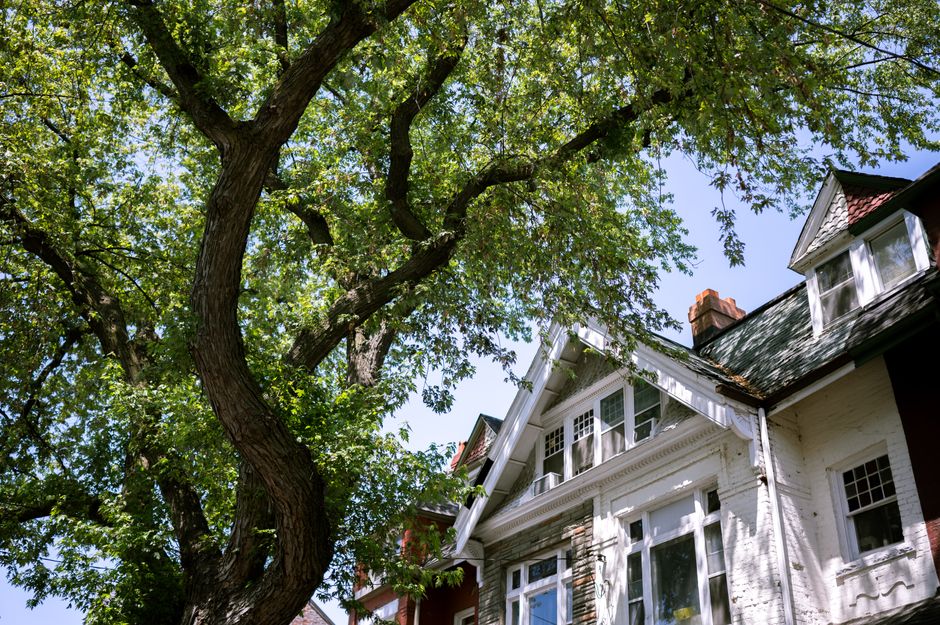
Many homes built before central air conditioning became standard had ductwork added later — often undersized for the system eventually installed, routed through unconditioned attics or crawlspaces without adequate insulation, or sealed with materials that have since deteriorated. All three issues compound the sizing and comfort problems already common in older construction.
Undersized Retrofitted Ductwork
When ductwork is added after a home is built, it's constrained by existing wall cavities, floor joists, and ceiling space — often resulting in ducts sized for what would physically fit rather than what the system actually needs, leading to airflow restriction that shows up as uneven comfort throughout the home.
Routing Through Unconditioned Space
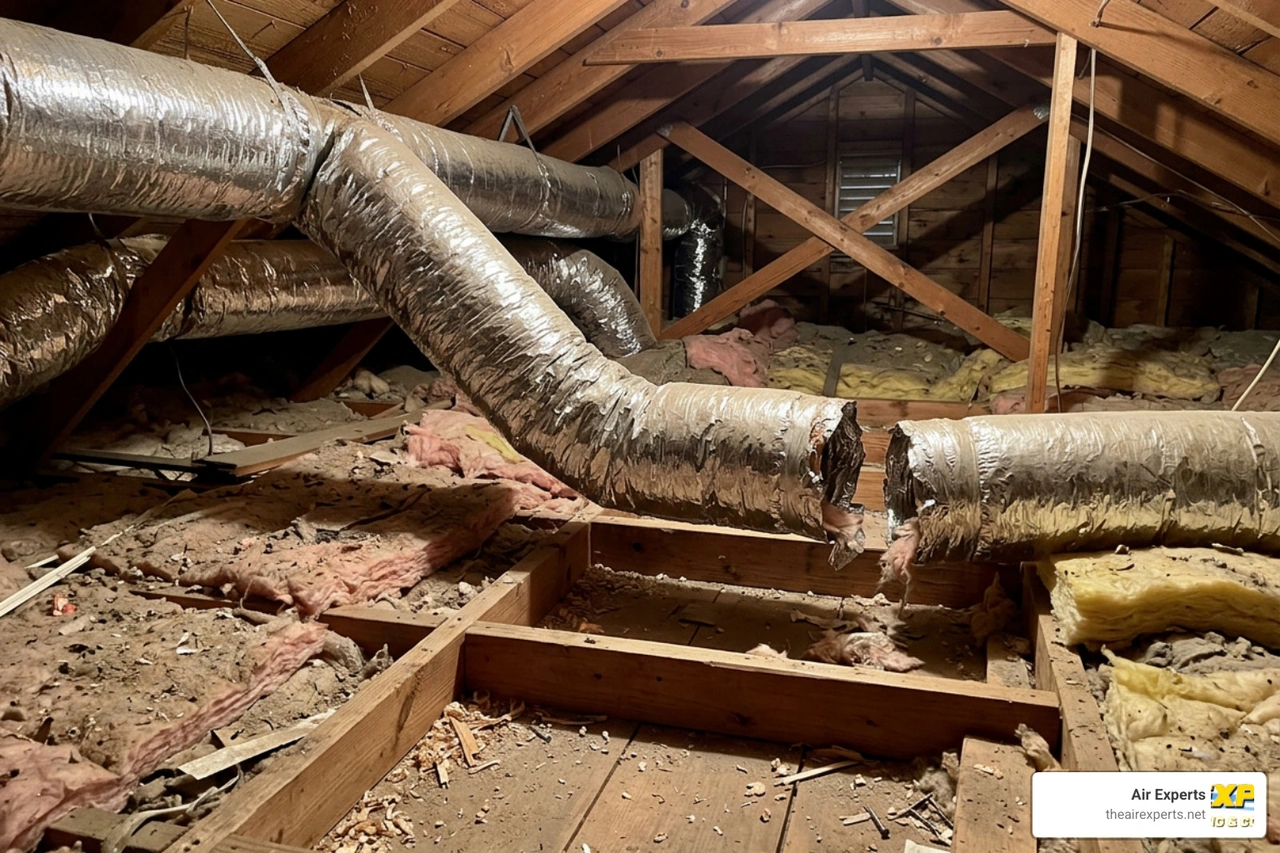
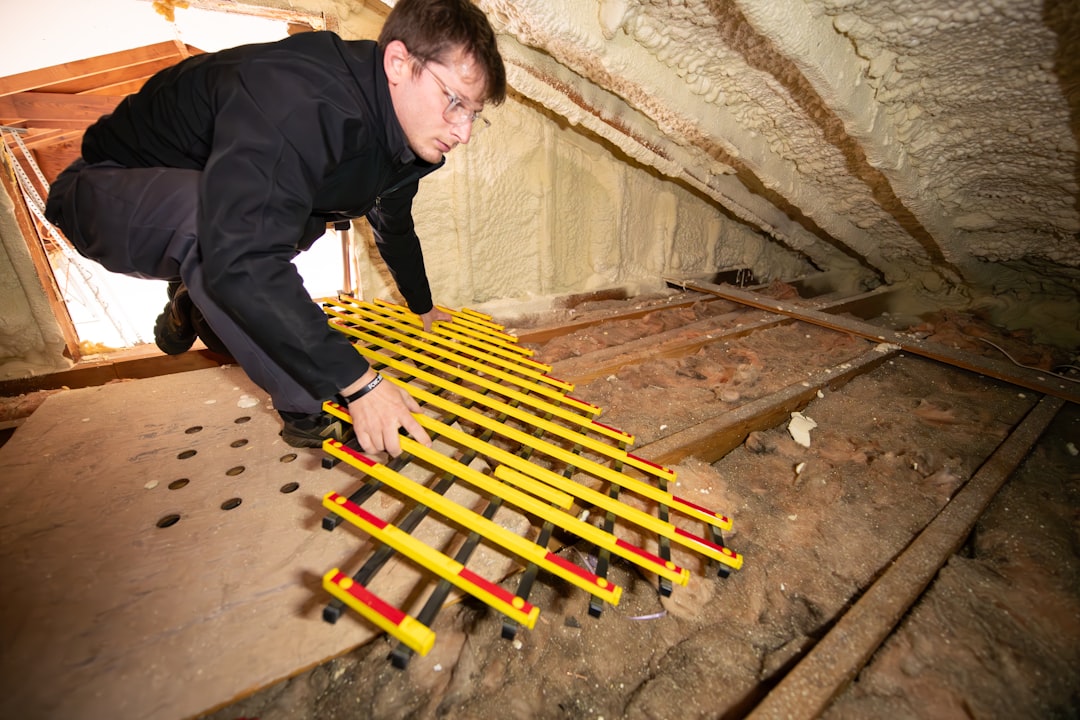
Ductwork run through an unconditioned attic loses or gains heat through the duct walls before conditioned air ever reaches its destination — especially significant in Alabama's summer heat, where attic temperatures can run far hotter than outdoor air.
Aging Seals and Connections
Older duct sealing methods and materials degrade over decades, and the same homes we're discussing often haven't had a proper duct inspection since installation — see signs of leaky ducts for what to watch for.
What We Check in Older Homes Specifically
A duct inspection in an older home focuses on sizing relative to the current system's needs, insulation condition on runs through unconditioned space, and connection integrity at joints that may not have been sealed to modern standards originally.
Own an older home in the Birmingham area with comfort issues that don't add up? Schedule a duct inspection.
More Blogs
More Blogs
.png)













.svg)
.svg)


.svg)
.svg)
